

Senior Scam Prevention & Fraud Resources in Washington
Washington seniors reported $180 million in elder fraud losses to the FBI in 2025, with 5,392 victims aged 60 and older. This page provides Washington-specific scam prevention resources, official reporting contacts, and five years of FBI elder fraud data for the state.
Already been scammed? Read our First 24 Hours Emergency Guide for critical steps to take immediately.
I. Overview: Washington State’s Senior Population & Key Cities
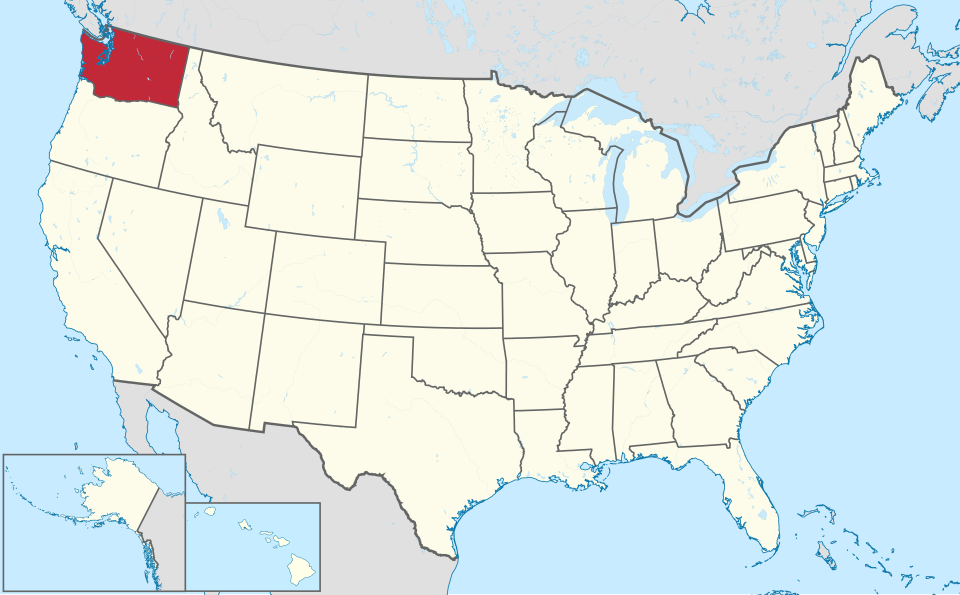
Washington State has a 2024 estimated population of 7.9 million, with approximately 1.3 million residents aged 65 and older, representing around 15.8% of the total population. As the state’s population ages, cyber-enabled elder fraud is becoming a serious concern — especially in urban and tech-heavy areas where scammers target seniors through phishing, fake support calls, online impersonation, and investment frauds.
The largest cities in Washington — all with large senior communities and high volumes of fraud reports — are:
- Seattle (approx. 770,000 people)
- Spokane (approx. 230,000 people)
- Tacoma (approx. 220,000 people)
Washington’s tech-savvy reputation can ironically increase risk — and the 2025 data shows it. Washington seniors lost $180 million to fraud, up 68% from 2024. Investment scams led at $78 million (+75%), while government impersonation surged 166% to $16 million. Seniors must be empowered with prevention knowledge and direct access to trusted local support.
II. 2025 Victim Report: How Scammers Targeted Washington’s Seniors
In 2025, Washington had 5,392 victims aged 60+ who reported losses totaling $179,706,909 — up 46% in victims and 68% in losses compared to 2024 (3,694 victims / $107M).
Loss by Crime Type
| Crime Type | 2025 Loss | 2024 Loss | Change |
| Investment | $77,516,790 | $44,340,684 | +75% |
| Tech Support | $23,831,892 | $16,722,142 | +43% |
| Romance | $14,410,706 | $10,806,861 | +33% |
| Lottery/Sweepstakes | $2,731,871 | $1,822,146 | +50% |
| Extortion | $1,264,608 | $581,983 | +117% |
| Government Impersonation | $15,715,514 | $5,900,010 | +166% |
Elder Fraud Loss Trajectory — Washington
5-Year Elder Fraud Trend — Washington (2021—2025)
| Year | Victims (60+) | Total Loss | YoY Change | Nat’l Rank |
| 2021 | 2,440 | $36,771,171 | — | #11 |
| 2022 | 2,335 | $96,213,728 | +162% | #5 |
| 2023 | 2,872 | $88,958,679 | -8% | #11 |
| 2024 | 3,694 | $107,062,160 | +20% | #11 |
| 2025 | 5,392 | $179,706,909 | +68% | #11 |
| 5-Year Total | 16,733 | $508,712,647 | +389% (2021—2025) | — |
Source: FBI Internet Crime Complaint Center (IC3) Annual Reports, 2021—2025. Covers victims aged 60 and older. National rank is by total dollar loss among 52 states/territories. National totals: $1.7B (2021), $3.1B (2022), $3.4B (2023), $4.9B (2024), $7.7B (2025) — $20.8 billion stolen from American seniors over five years.
Top Crime Types Targeting Washington Seniors (2025 vs. 5-Year)
| Crime Type | 2025 Victims | 2025 Loss | 5-Year Total | Growth (2021—25) |
| Investment | 410 | $77,516,790 | $188,819,384 | +3,052% |
| Tech Support | 584 | $23,831,892 | $91,924,104 | +144% |
| BEC | 135 | $20,375,783 | $50,701,484 | +156% |
| Gov. Impersonation | 388 | $15,715,514 | $31,412,643 | +1,488% |
| Romance | 262 | $14,410,706 | $60,386,409 | +78% |
| Personal Data Breach | 311 | $6,867,552 | $21,348,987 | +107% |
Top 6 crime types by 2025 losses. Growth calculated from 2021 to 2025. For national crime type trends, see our Crime Type Migration Analysis.
What the data reveals: Washington ranks #11 nationally in total elder fraud losses at $180 million, up 68% from $107 million in 2024, with 5,392 seniors victimized (+46%). Investment scams grew 75% to $78 million, accounting for 43% of all losses. Government impersonation surged 166% to $16 million, and tech support fraud rose 43% to $24 million. Lottery and sweepstakes fraud rose 50% to $2.7 million. Statewide, that comes to roughly one senior victim for every 1,476 Washington residents.
National context: Washington ranks #14 in per-capita victim rate (67.75 per 100,000), well above the national midpoint. The state’s high digital adoption among seniors may be a double-edged sword — more online engagement means more exposure to investment and tech support fraud. The 68% year-over-year loss increase exceeds the national average of 57%, and with 1.3 million residents over 65, the absolute impact is significant.
For the full national picture, including how Washington compares to every other state, visit our national hub page with interactive data and rankings.
III. Emergency & Official Contacts
Local Police Departments – Financial Crimes & Senior Services
1. Seattle Police Department – Fraud & Financial Crimes Unit
- Phone: (206) 625-5011 (non-emergency)
- Website: www.seattle.gov/police
- Tip: Ask to be directed to the Fraud Unit or Economic Crimes Team.
2. Spokane Police Department – Investigations Division
- Phone: (509) 456-2233 (non-emergency)
- Website: my.spokanecity.org/police
- Ask for financial crimes or elder services assistance.
3. Tacoma Police Department – Fraud and Elder Services
- Phone: (253) 798-4721 (non-emergency)
- Website: www.cityoftacoma.org
- Request to report elder-targeted financial scams or suspicious activity.
FBI & Federal Fraud Reporting
FBI Seattle Field Office
- Phone: (206) 622-0460
- Website: www.fbi.gov/contact-us/field-offices/seattle
Internet Crime Complaint Center (IC3)
- Website: www.ic3.gov
- Report elder-targeted cybercrime including email scams, online impersonation, or fraudulent billing.
Washington State Attorney General – Senior Fraud & Protection
Washington Attorney General’s Office – Consumer Protection Division
- Consumer Resource Center: (800) 551-4636
- Website: www.atg.wa.gov/senior-fraud
- Offers legal help, scam alerts, and assistance in reporting fraud or financial exploitation involving seniors.
Additional Statewide Elder Protection Services
Washington Adult Protective Services (APS)
- 24/7 Abuse & Exploitation Hotline: (877) 734-6277
- Website: www.dshs.wa.gov/altsa
Washington Senior Medicare Patrol (SMP)
- Phone: (800) 562-6900
- Website: www.insurance.wa.gov/how-identify-and-report-medicare-fraud-and-abuse
- Helps detect Medicare fraud, suspicious health billing, and benefits-related scams.
Aging and Long-Term Support Administration (ALTSA)
- Main Info Line: (800) 422-3263
- Website: www.dshs.wa.gov/altsa
- Connects seniors to services, protective agencies, and elder rights resources.
King County Elder Abuse & Fraud Unit (Seattle area)
- Phone: (206) 263-9064
- Website: www.kingcounty.gov
Protect Yourself, Empower Others
- Washington seniors lose tens of millions of dollars annually to scams — but most incidents go unreported.
- Save these numbers or print this page and keep it nearby.
- Visit our Education Center to explore scam red flags, protection guides, and real-life examples.
- If you suspect fraud, act early — and don’t stay silent.
Recent Washington scam news
Recent news coverage of scams affecting Washington seniors, updated from our alerts desk. Each item links to the original outlet; victims and defendants are kept anonymous.
Washington seniors hear practical advice on slowing down before sending money to scammers
A local law-enforcement seminar in Sequim, Washington focused on the financial scams most often reported by older adults, including phone and online schemes that pressure victims before they can verify what is happening. Officials emphasized that many cases are hard to prosecute once money moves, especially when victims send funds through irreversible payment methods or overseas channels. The practical advice was simple: do not act on urgency, do not give money or account information to an unexpected caller, and verify any claim by calling a trusted number you find yourself.
Read at Peninsula Daily News →Free Sequim, Washington seminar teaches seniors to spot FTC impersonation, gold, and mail-theft scams
A panel of Clallam County law enforcement and prosecutors held a free scam-prevention seminar for seniors in Sequim, Washington, covering callers who impersonate FTC agents and claim an account has been compromised, then keep victims on the phone while pressuring them to withdraw cash, convert it to gold or Bitcoin, and hand it over. They also warned about mail theft targeting driver's licenses and bank information, and online schemes involving gift cards or requests for remote computer access. Their advice: install a locking mailbox, check bank statements monthly, pull a free annual credit report, and slow down instead of acting under pressure, since real government agencies do not demand immediate action. If you are scammed, contact your bank within 48 hours, then report it to police; prevention is the best defense, since victims rarely recover what they lose.
Read at Sequim Gazette →Centralia senior latest victim in crypto kiosk scam
A Washington senior lost over $1,400 to a caller posing as a deputy who pushed her to use a crypto machine.
Read at KING 5 →Normandy Park Police Department warns of scams targeting seniors
Washington police urge families to make a safety plan, calling a trusted relative before sending money or gift cards.
Read at The Normandy Park Blog →A new safety booklet reaches elders with safety lessons
Volunteers in Seattle are delivering a bilingual safety booklet to help older residents recognize and avoid scams.
Read at International Examiner →Young founder builds intergenerational tech program protecting seniors from modern scams
A new Puget Sound program offers seniors hands-on tech help and scam-prevention coaching at senior centers and communities.
Read at The White Center Blog →IV. Learn More: Washington Scam Prevention Guides
Explore Washington-specific guides on the most common scams targeting seniors in your state:
- Tech Support Scams in Washington — Learn to recognize fake pop-ups, phone calls, and remote access schemes.
- Investment Scams in Washington — Protect your retirement savings from fraudulent advisors and crypto scams.
- Romance Scams in Washington — Spot the warning signs of fake online relationships designed to steal money.
- Government Impersonation Scams in Washington — Know what real government agencies will never ask you to do.
- How to Report Scams in Washington — Step-by-step guide to reporting fraud and starting recovery.
For national-level data on each scam type, see our Investment, Tech Support, Romance, and Government Impersonation national guides.
See how Washington compares. Curious where Washington ranks in the national picture? Stolen Trust, our 2026 special study, ranks every state and territory using five years of FBI data and lays out one practical plan to fix elder fraud.