

Senior Scam Prevention & Fraud Resources in Virginia
Virginia seniors reported $221 million in elder fraud losses to the FBI in 2025, with 5,509 victims aged 60 and older. This page provides Virginia-specific scam prevention resources, official reporting contacts, and five years of FBI elder fraud data for the state.
Already been scammed? Read our First 24 Hours Emergency Guide for critical steps to take immediately.
I. Overview: Virginia’s Senior Population & Key Cities
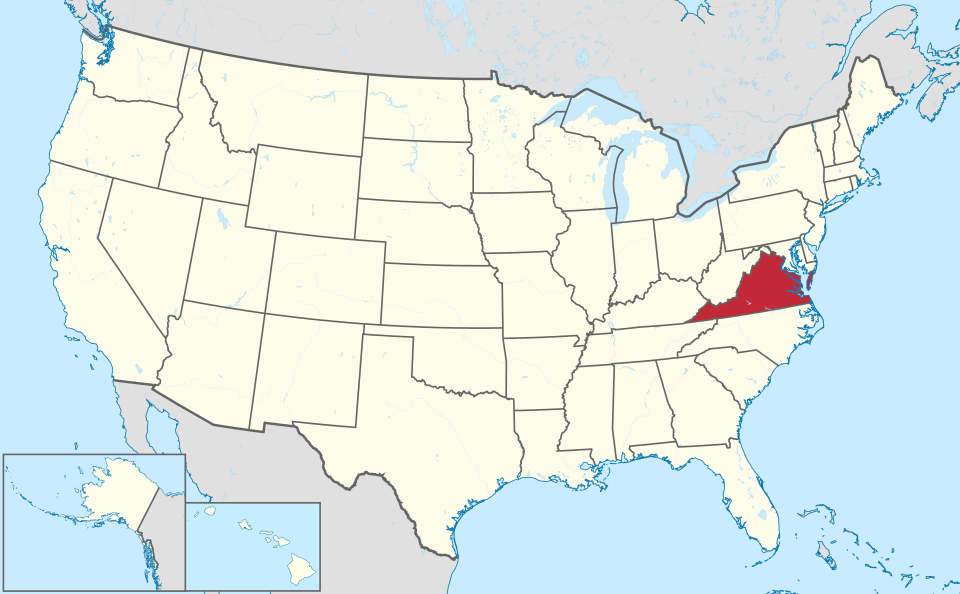
Virginia’s population is estimated at 8.8 million as of 2024, with approximately 1.4 million residents aged 65 and older, making up around 16.0% of the total population. As one of the oldest and wealthiest populations in the southeastern U.S., Virginia’s seniors are increasingly targeted by cyber-enabled scams, including phishing, fake tech support, online romance schemes, and Medicare fraud.
Older adults are highly concentrated in Virginia’s three largest cities:
- Virginia Beach (approx. 460,000 people)
- Chesapeake (approx. 260,000 people)
- Arlington (approx. 240,000 people – county-level, urbanized)
Each of these cities has a large senior population facing a rapidly accelerating fraud crisis. In 2025, Virginia’s elder fraud losses more than doubled to $221 million (+107%). Investment scams surged to $104 million (+152%), and tech support fraud rose 34% to $27 million. The extreme percentage spikes in lottery/sweepstakes and extortion reflect new and emerging threat vectors in the state.
II. 2025 Victim Report: How Scammers Targeted Virginia’s Seniors
In 2025, Virginia had 5,509 victims aged 60+ who reported losses totaling $220,941,233 — up 43% in victims and 107% in losses compared to 2024 (3,841 victims / $107M).
Loss by Crime Type
| Crime Type | 2025 Loss | 2024 Loss | Change |
| Investment | $103,956,158 | $41,242,306 | +152% |
| Tech Support | $27,440,320 | $20,506,407 | +34% |
| Romance | $16,892,135 | $13,762,434 | +23% |
| Lottery/Sweepstakes | $6,037,557 | $2,920,620 | +107% |
| Extortion | $4,212,313 | $146,613 | +2,773% |
| Government Impersonation | $14,600,318 | $6,754,487 | +116% |
Elder Fraud Loss Trajectory — Virginia
5-Year Elder Fraud Trend — Virginia (2021—2025)
| Year | Victims (60+) | Total Loss | YoY Change | Nat’l Rank |
| 2021 | 2,540 | $49,928,372 | — | #7 |
| 2022 | 2,447 | $60,641,280 | +21% | #15 |
| 2023 | 2,477 | $94,110,054 | +55% | #9 |
| 2024 | 3,841 | $106,504,141 | +13% | #12 |
| 2025 | 5,509 | $220,941,233 | +107% | #7 |
| 5-Year Total | 16,814 | $532,125,080 | +343% (2021—2025) | — |
Source: FBI Internet Crime Complaint Center (IC3) Annual Reports, 2021—2025. Covers victims aged 60 and older. National rank is by total dollar loss among 52 states/territories. National totals: $1.7B (2021), $3.1B (2022), $3.4B (2023), $4.9B (2024), $7.7B (2025) — $20.8 billion stolen from American seniors over five years.
Top Crime Types Targeting Virginia Seniors (2025 vs. 5-Year)
| Crime Type | 2025 Victims | 2025 Loss | 5-Year Total | Growth (2021—25) |
| Investment | 430 | $103,956,158 | $193,306,623 | +1,876% |
| Tech Support | 707 | $27,440,320 | $107,024,223 | +71% |
| Romance | 267 | $16,892,135 | $60,300,673 | +67% |
| Gov. Impersonation | 395 | $14,600,318 | $29,759,202 | +771% |
| BEC | 130 | $12,813,644 | $47,061,097 | +49% |
| Personal Data Breach | 343 | $9,538,260 | $21,007,857 | +819% |
Top 6 crime types by 2025 losses. Growth calculated from 2021 to 2025. For national crime type trends, see our Crime Type Migration Analysis.
What the data reveals: Virginia’s elder fraud losses more than doubled — from $107 million in 2024 to $221 million in 2025 (+107%), one of the sharpest increases among the top 10 states. Over 5,500 seniors were victimized, up 43%. Investment fraud surged 152% to $104 million, now representing nearly half of all losses. Romance scam losses also rose, up 23%. While lottery/sweepstakes and extortion show extreme percentage increases, these grew from very small bases — but they signal new fraud vectors gaining traction. Statewide, that comes to roughly one senior victim for every 1,599 Virginia residents.
National context: Virginia ranks #7 in total losses and #20 in per-capita victim rate (62.52 per 100,000), above the national midpoint. The 107% year-over-year loss increase is nearly double the national average of 57%, placing Virginia among the fastest-growing states for elder fraud. With 1.4 million residents over 65 and its proximity to Washington, D.C. — a hub for government impersonation scams — Virginia seniors face a unique combination of risk factors.
For the full national picture, including how Virginia compares to every other state, visit our national hub page with interactive data and rankings.
III. Emergency & Official Contacts
Local Police Departments – Elder Fraud & Financial Crimes
1. Virginia Beach Police Department – Economic Crimes Unit
- Phone: (757) 385-5000 (non-emergency)
- Website: police.virginiabeach.gov
- Tip: Ask for Economic Crimes or Financial Exploitation reporting.
2. Chesapeake Police Department – Fraud Investigations
- Phone: (757) 382-6161 (non-emergency)
- Website: www.cityofchesapeake.net
3. Arlington County Police Department – Financial Crimes Unit
- Phone: (703) 558-2222 (non-emergency)
- Website: www.arlingtonva.us
FBI & Federal Reporting Tools
FBI Richmond Field Office
- Phone: (804) 261-1044
- Website: www.fbi.gov/contact-us/field-offices/richmond
Internet Crime Complaint Center (IC3)
- Website: www.ic3.gov
- Use to report cyber scams targeting older adults, including identity theft, fraud, and tech support cons.
Virginia Attorney General – Elder Protection & Fraud
Virginia Attorney General – Consumer Protection Section
- Elder Fraud Hotline: (800) 552-9963
- Website: www.oag.state.va.us
- Assists with scam reporting, consumer rights for older adults, and statewide fraud alerts.
Statewide Elder Services & Protective Contacts
Virginia Adult Protective Services (APS)
- 24/7 Hotline: (888) 832-3858
- Website: www.dss.virginia.gov
- Report suspected elder abuse, financial exploitation, or neglect.
Virginia Insurance Counseling and Assistance Program (VICAP) / SMP
- Phone: (800) 552-3402
- Website: www.vda.virginia.gov
- Helps report Medicare fraud, scams, and overbilling through the Senior Medicare Patrol (SMP).
Virginia Department for Aging and Rehabilitative Services (DARS)
- Toll-Free Info Line: (800) 552-5019
- Website: www.vda.virginia.gov
- Offers protective services, public education, and connections to local Area Agencies on Aging.
Know the Signs. Make the Call.
- Virginia seniors are losing millions of dollars every year to online scams — but awareness and fast reporting can prevent more harm.
- Save these contact numbers in your phone or print them out.
- Visit our Education Center to explore real examples, warning signs, and recovery tips.
- If it feels wrong, report it — trust your instincts.
Recent Virginia scam news
Recent news coverage of scams affecting Virginia seniors, updated from our alerts desk. Each item links to the original outlet; victims and defendants are kept anonymous.
A George Mason University student is teaching D.C.-area seniors how to spot AI deepfakes
A George Mason University student runs a community program called 'Word by World,' teaching seniors across the D.C. region how to recognize AI-generated deepfakes after a neighbor lost $30,000 to a fake video of a celebrity on social media. In hourlong sessions held more than 30 times this year at senior community centers, she shows attendees real examples of AI-generated video and images, walks through the telltale signs of a deepfake, and helps them build what she calls an 'AI defense toolkit' for evaluating anything they see online. Attendees say the sessions have made them more skeptical of unfamiliar content online, which organizers say is exactly the point: healthy suspicion of anything unverified is one of the best defenses against AI-powered scams.
Read at WTOP →Alexandria, Virginia senior loses $77,000 after callers pose as Amazon, a bank, and the FTC
An older Alexandria, Virginia resident lost $77,000 after scammers posing as representatives of Amazon, Bank of America, and the Federal Trade Commission convinced her that her identity had been stolen and used to open fraudulent accounts and buy illegal items. The callers directed her to withdraw a large sum in cash, convert it to a cashier's check, and mail it to a company in New York under the pretext that an FTC representative needed it to resolve the case. The scam began in late June and was reported to police in early July; no arrests have been made and the case remains under investigation. Real government agencies and companies never resolve fraud by asking you to withdraw your own money and mail it anywhere, so if you get a call like this, hang up and verify by contacting the company or agency directly using a number you look up yourself.
Read at Patch →Virginia State Police mark Elder Abuse Awareness Month
Virginia State Police urge older adults to slow down and verify any unexpected request for money or personal information.
Read at The River 95.3 →Fairfax County turns to texting in effort to protect area seniors from scams
A Virginia county is using text alerts to warn older residents about scams.
Read at FFXnow →FBI Norfolk recognizes National Senior Fraud Awareness Day
The FBI marks National Senior Fraud Awareness Day with tips to help older adults avoid common scams.
Read at FBI →Senior living pilot demonstrates how proactive cyber defense can reduce fraud at scale
A Virginia pilot across five senior living communities cut projected fraud losses using proactive cyber defense tools.
Read at McKnight's Senior Living →IV. Learn More: Virginia Scam Prevention Guides
Explore Virginia-specific guides on the most common scams targeting seniors in your state:
- Tech Support Scams in Virginia — Learn to recognize fake pop-ups, phone calls, and remote access schemes.
- Investment Scams in Virginia — Protect your retirement savings from fraudulent advisors and crypto scams.
- Romance Scams in Virginia — Spot the warning signs of fake online relationships designed to steal money.
- Government Impersonation Scams in Virginia — Know what real government agencies will never ask you to do.
- How to Report Scams in Virginia — Step-by-step guide to reporting fraud and starting recovery.
For national-level data on each scam type, see our Investment, Tech Support, Romance, and Government Impersonation national guides.
See how Virginia compares. Curious where Virginia ranks in the national picture? Stolen Trust, our 2026 special study, ranks every state and territory using five years of FBI data and lays out one practical plan to fix elder fraud.