

Senior Scam Prevention & Fraud Resources in Utah
Utah seniors reported $66 million in elder fraud losses to the FBI in 2025, with 2,341 victims aged 60 and older. This page provides Utah-specific scam prevention resources, official reporting contacts, and five years of FBI elder fraud data for the state.
Already been scammed? Read our First 24 Hours Emergency Guide for critical steps to take immediately.
I. Overview: Utah’s Senior Population & Key Cities
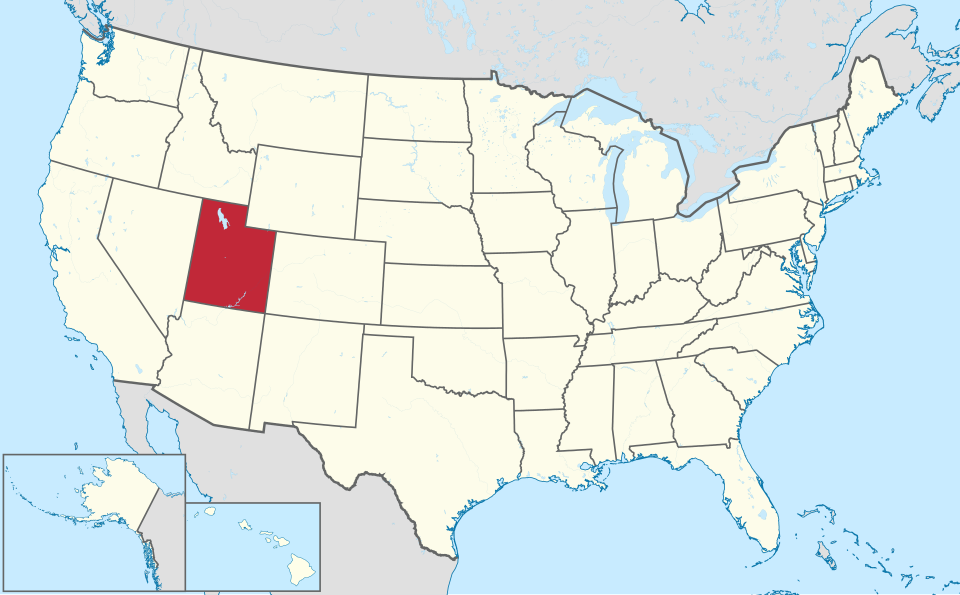
As of 2024, Utah has an estimated population of 3.4 million, with more than 480,000 residents aged 65 and older, making up approximately 14.1% of the state’s total population. While Utah has one of the youngest median ages in the U.S., its senior population is growing rapidly — and so is the volume of fraud targeting older residents.
In 2025, Utah seniors lost $66 million to fraud. Investment scams led at $32 million (+97%), and romance scams more than doubled (+153%) to $7.2 million. In a notable bright spot, government impersonation was cut in half (-52%). Utah ranks #17 in per-capita victim rate, meaning its seniors face above-average risk. Education, vigilance, and access to support services are essential.
The top three cities where seniors reside and scam activity is frequently reported are:
- Salt Lake City (approx. 205,000 people)
- West Valley City (approx. 140,000 people)
- Provo (approx. 115,000 people)
II. 2025 Victim Report: How Scammers Targeted Utah’s Seniors
In 2025, Utah had 2,341 victims aged 60+ who reported losses totaling $65,946,070 — up 33% in victims and 49% in losses compared to 2024 (1,763 victims / $44M).
Loss by Crime Type
| Crime Type | 2025 Loss | 2024 Loss | Change |
| Investment | $32,435,264 | $16,504,979 | +97% |
| Tech Support | $10,179,342 | $7,409,252 | +37% |
| Romance | $7,222,532 | $2,851,906 | +153% |
| Lottery/Sweepstakes | $1,192,360 | $88,553 | +1,246% |
| Extortion | $166,231 | $101,799 | +63% |
| Government Impersonation | $2,273,054 | $4,725,593 | -52% |
Elder Fraud Loss Trajectory — Utah
5-Year Elder Fraud Trend — Utah (2021—2025)
| Year | Victims (60+) | Total Loss | YoY Change | Nat’l Rank |
| 2021 | 768 | $14,767,652 | — | #26 |
| 2022 | 741 | $27,657,757 | +87% | #26 |
| 2023 | 944 | $27,156,300 | -2% | #29 |
| 2024 | 1,763 | $44,155,961 | +63% | #27 |
| 2025 | 2,341 | $65,946,070 | +49% | #27 |
| 5-Year Total | 6,557 | $179,683,740 | +347% (2021—2025) | — |
Source: FBI Internet Crime Complaint Center (IC3) Annual Reports, 2021—2025. Covers victims aged 60 and older. National rank is by total dollar loss among 52 states/territories. National totals: $1.7B (2021), $3.1B (2022), $3.4B (2023), $4.9B (2024), $7.7B (2025) — $20.8 billion stolen from American seniors over five years.
Top Crime Types Targeting Utah Seniors (2025 vs. 5-Year)
| Crime Type | 2025 Victims | 2025 Loss | 5-Year Total | Growth (2021—25) |
| Investment | 188 | $32,435,264 | $70,922,398 | +1,233% |
| Tech Support | 224 | $10,179,342 | $36,684,611 | +267% |
| Romance | 103 | $7,222,532 | $17,111,228 | +160% |
| Personal Data Breach | 92 | $2,825,331 | $5,993,856 | +1,383% |
| BEC | 43 | $2,506,673 | $12,646,681 | +112% |
| Gov. Impersonation | 98 | $2,273,054 | $8,708,255 | +595% |
Top 6 crime types by 2025 losses. Growth calculated from 2021 to 2025. For national crime type trends, see our Crime Type Migration Analysis.
What the data reveals: Utah’s elder fraud losses reached $66 million in 2025, with 2,341 seniors victimized. Investment scams nearly doubled to $32 million (+97%), and romance scams more than doubled from $2.9 million to $7.2 million (+153%). The standout good news: government impersonation was cut in half, dropping 52% from $4.7 million to $2.3 million — one of the steepest declines in this category nationally. Tech support rose a moderate 37%. Statewide, that comes to roughly one senior victim for every 1,497 Utah residents.
National context: Utah ranks #17 in per-capita victim rate (66.82 per 100,000), well above the national midpoint. Despite ranking only #27 in total losses, Utah’s seniors are more likely to be targeted per person than those in states like Texas, New York, or Pennsylvania. The 52% government impersonation decline is encouraging and suggests prevention efforts in that category are working.
For the full national picture, including how Utah compares to every other state, visit our national hub page with interactive data and rankings.
III. Emergency & Official Contacts
Local Police Departments – Elder Fraud & Financial Crimes
1. Salt Lake City Police Department – Investigations Bureau
- Phone: (801) 799-3000 (non-emergency)
- Website: www.slcpd.com
- Ask for Financial Crimes or request to report elder fraud.
2. West Valley City Police Department – Fraud Unit
- Phone: (801) 840-4000 (non-emergency)
- Website: www.wvc-ut.gov
- Request support from the Economic Crimes Division.
3. Provo Police Department – Investigations Division
- Phone: (801) 852-6210 (non-emergency)
- Website: www.provocity.com
- Inquire about elder fraud or scam-related cases.
FBI & Federal Scam Reporting
FBI Salt Lake City Field Office
- Phone: (801) 579-1400
- Website: www.fbi.gov/contact-us/field-offices/saltlakecity
Internet Crime Complaint Center (IC3)
- Website: www.ic3.gov
- Use to report phishing, tech support scams, romance fraud, and other online crimes.
Utah Attorney General – Elder Fraud & Consumer Protection
Utah Attorney General’s Office – Consumer Protection Division
- Consumer Complaint Line: (801) 538-9600
- Website: www.attorneygeneral.utah.gov
- Provides scam alerts, complaint forms, and elder protection resources.
Statewide Elder Services & Medicare Fraud Assistance
Utah Adult Protective Services (APS)
- To report elder abuse or financial exploitation:
APS Hotline: (800) 371-7897 - Website: hs.utah.gov
Utah Senior Medicare Patrol (SMP)
- Phone: (800) 541-7735
- Website: www.smpresource.org
- Helps seniors detect and report Medicare fraud and deceptive healthcare billing.
Utah Aging and Adult Services – Department of Health and Human Services
- Aging Info Line: (877) 424-4640
- Website: aging.utah.gov
- Offers fraud prevention programs, elder legal support, and caregiver resources.
Know the Signs. Speak Up.
- Utah seniors lose millions annually to scams — often under pressure, fear, or confusion.
- Save and share these contacts with caregivers, family members, and trusted friends.
- Visit our Education Center to learn about scam red flags, fraud examples, and safe reporting steps.
- If you suspect fraud, slow down, verify, and report. You are not alone.
Recent Utah scam news
Recent news coverage of scams affecting Utah seniors, updated from our alerts desk. Each item links to the original outlet; victims and defendants are kept anonymous.
Utah woman loses $70,000 after a fake bank fraud call; police renew warnings
An 83-year-old Utah County woman lost $70,000 after a caller impersonating her bank told her fraudulent activity had been detected on her account and that the FBI needed to "examine" her cash. She withdrew $70,000 in two batches and handed it to a rideshare driver in a Provo parking lot, who, without knowing what he was carrying, delivered it to an unidentified man in Salt Lake City. Police are renewing their warnings as the Internet Crime Complaint Center reported roughly 453,000 cyber-fraud complaints nationwide last year, with losses topping $17.7 billion across all types of internet crime. Their advice: if your bank calls, hang up and call them back using the number on your card or statement, watch for high-pressure, time-sensitive requests, and check in regularly with elderly family members about anything unusual on their accounts.
Read at KSL →Utah launches a statewide team to investigate and prosecute financial fraud
Utah has launched the Financial Crimes Intelligence Center, a new statewide effort, funded at $1.7 million a year, to investigate and prosecute fraud by coordinating state and federal agencies with banks and other financial institutions. The center covers identity theft, bank fraud, elder fraud, romance scams, investment scams, and other online fraud. Utah's Attorney General said financial fraud is rampant, especially online, and officials point to the scale of the problem: Utahns reported losing $108 million to fraud last year, up from about $24 million five years ago, a roughly five-fold increase, with $59.8 million already reported so far this year. Officials say falling for a scam carries no shame and encourage anyone who suspects fraud to report it at fraud.agutah.gov.
Read at KSL →Utah lawmakers and businesses discuss stronger coordination against online fraud targeting older adults
KSL reports that Utah leaders and business representatives met to discuss ways to share fraud information faster across state lines and push for more resources against online scams aimed at older Americans. The article cites federal data showing that internet scams cost Americans more than $20 billion in 2025, with crypto scams making up more than $11 billion and AI-related scams approaching $900 million. Utah has also passed a state law requiring warnings and limits on some cryptocurrency kiosk transactions. The takeaway for families is to treat crypto, online investment pitches, and urgent payment demands as high-risk until independently verified.
Read at KSL.com →To fight elder fraud, a top Utah law enforcer is meeting with seniors around the state
A top Utah law enforcement official is touring the state to teach seniors how to avoid fraud.
Read at Utah News Dispatch →Free online site helps older adults combat fraud and legal issues
Utah older adults can use a new free online tool to spot fraud and legal problems early.
Read at KSL TV →Free online site helps older adults combat fraud and legal issues
A new free online tool in Utah helps older adults spot fraud and legal problems early and find help.
Read at KSL TV →IV. Learn More: Utah Scam Prevention Guides
Explore Utah-specific guides on the most common scams targeting seniors in your state:
- Tech Support Scams in Utah — Learn to recognize fake pop-ups, phone calls, and remote access schemes.
- Investment Scams in Utah — Protect your retirement savings from fraudulent advisors and crypto scams.
- Romance Scams in Utah — Spot the warning signs of fake online relationships designed to steal money.
- Government Impersonation Scams in Utah — Know what real government agencies will never ask you to do.
- How to Report Scams in Utah — Step-by-step guide to reporting fraud and starting recovery.
For national-level data on each scam type, see our Investment, Tech Support, Romance, and Government Impersonation national guides.
See how Utah compares. Curious where Utah ranks in the national picture? Stolen Trust, our 2026 special study, ranks every state and territory using five years of FBI data and lays out one practical plan to fix elder fraud.