

Senior Scam Prevention & Fraud Resources in Texas
Texas seniors reported $679 million in elder fraud losses to the FBI in 2025, with 14,410 victims aged 60 and older. This page provides Texas-specific scam prevention resources, official reporting contacts, and five years of FBI elder fraud data for the state.
Already been scammed? Read our First 24 Hours Emergency Guide for critical steps to take immediately.
Featured: Every Hour, Another Texas Senior Loses Over $77,000 to Scammers — In-depth analysis of the elder fraud crisis hitting Texas families.
I. Overview: Texas Seniors & Key Cities
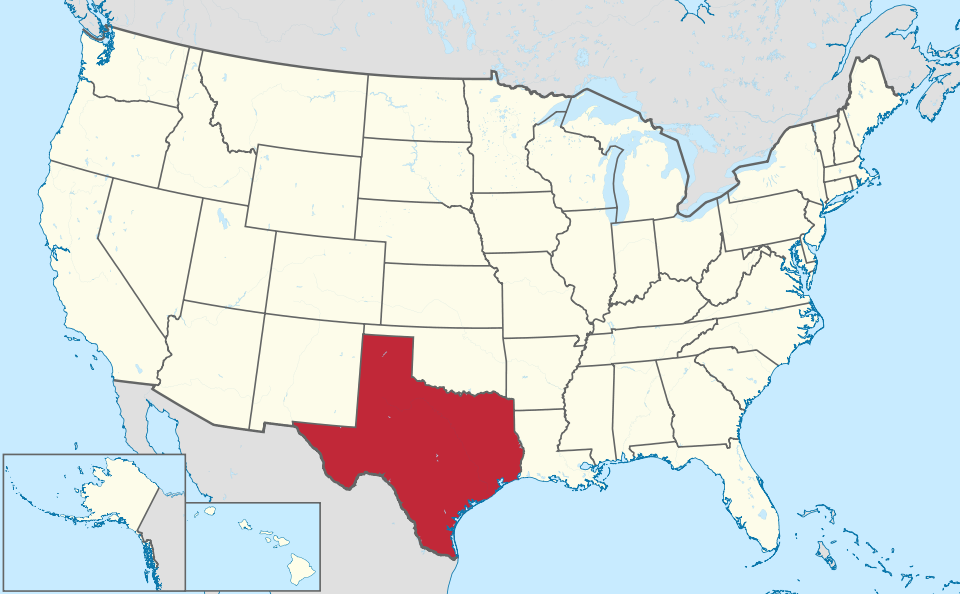
Texas is the second most populous state in the U.S., with an estimated 31.5 million residents as of 2024. Of this population, approximately 4.3 million are aged 65 and older, representing nearly 13.7% of all Texans. As this segment of the population grows, older adults in Texas are becoming more frequent targets for increasingly sophisticated online fraud schemes, especially in fast-growing metropolitan areas.
The three largest cities in Texas, each with substantial senior populations and rising cybercrime reports, are:
- Houston (approx. 2.3 million people)
- San Antonio (approx. 1.5 million people)
- Dallas (approx. 1.3 million people)
These cities are at the frontlines of a growing crisis. In 2025, Texas seniors lost $679 million to fraud — up 39% from 2024. Investment scams dominated at $337 million, followed by tech support fraud ($92 million, +92%) and government impersonation ($43 million, +249%). Despite these staggering totals, Texas ranks just #40 in per-capita victim rate — meaning its large population absorbs the impact more broadly than smaller states.
II. 2025 Victim Report: How Scammers Targeted Texas’s Seniors
In 2025, Texas had 14,410 victims aged 60+ who reported losses totaling $678,564,081 — up 52% in victims and 39% in losses compared to 2024 (9,472 victims / $490M).
Source: FBI IC3 2025 Annual Report. Texas ranked #3 nationally for elder fraud losses. View national statistics.
Loss by Crime Type
| Crime Type | 2025 Loss | 2024 Loss | Change |
| Investment | $336,806,099 | $308,437,815 | +9% |
| Tech Support | $92,484,764 | $48,187,907 | +92% |
| Romance | $48,305,099 | $36,483,347 | +32% |
| Lottery/Sweepstakes | $10,236,625 | $7,175,114 | +43% |
| Extortion | $4,590,816 | $1,293,066 | +255% |
| Government Impersonation | $42,927,096 | $12,314,608 | +249% |
Elder Fraud Loss Trajectory — Texas
5-Year Elder Fraud Trend — Texas (2021—2025)
| Year | Victims (60+) | Total Loss | YoY Change | Nat’l Rank |
| 2021 | 5,667 | $124,536,695 | — | #4 |
| 2022 | 5,674 | $243,067,545 | +95% | #3 |
| 2023 | 7,034 | $278,372,284 | +15% | #3 |
| 2024 | 9,472 | $489,737,709 | +76% | #2 |
| 2025 | 14,410 | $678,564,081 | +39% | #3 |
| 5-Year Total | 42,257 | $1,814,278,314 | +445% (2021—2025) | — |
Source: FBI Internet Crime Complaint Center (IC3) Annual Reports, 2021—2025. Covers victims aged 60 and older. National rank is by total dollar loss among 52 states/territories. National totals: $1.7B (2021), $3.1B (2022), $3.4B (2023), $4.9B (2024), $7.7B (2025) — $20.8 billion stolen from American seniors over five years.
Top Crime Types Targeting Texas Seniors (2025 vs. 5-Year)
| Crime Type | 2025 Victims | 2025 Loss | 5-Year Total | Growth (2021—25) |
| Investment | 1,525 | $336,806,099 | $858,409,530 | +1,701% |
| Tech Support | 1,708 | $92,484,764 | $238,537,582 | +512% |
| Romance | 899 | $48,305,099 | $187,109,364 | +45% |
| BEC | 410 | $43,460,216 | $188,316,044 | +66% |
| Gov. Impersonation | 955 | $42,927,096 | $75,968,970 | +613% |
| Personal Data Breach | 951 | $20,031,499 | $54,843,948 | +143% |
Top 6 crime types by 2025 losses. Growth calculated from 2021 to 2025. For national crime type trends, see our Crime Type Migration Analysis.
What the data reveals: Texas ranks #3 nationally in total elder fraud losses at $679 million, up 39% from $490 million in 2024. Over 14,400 seniors were victimized. Investment scams account for nearly half of all losses at $337 million, while government impersonation surged 249% to $43 million — one of the steepest increases of any crime category in the state. Tech support fraud nearly doubled (+92%). Lottery and sweepstakes scams rose 43% as well, reaching $10.2 million. Statewide, that comes to roughly one senior victim for every 2,171 Texas residents.
National context: Texas ranks #3 in total losses but only #40 in per-capita victim rate (46.05 per 100,000) — one of the largest gaps between total and per-capita rankings of any state. This means that while the dollar figures are enormous, an individual Texas senior is actually less likely to be targeted than seniors in 39 other states. The 39% year-over-year loss increase is below the national average of 57%, suggesting Texas may be benefiting from stronger fraud awareness efforts relative to other states.
For the full national picture, including how Texas compares to every other state, visit our national hub page with interactive data and rankings.
III. Emergency & Official Contacts
Local Police Departments – Elder Fraud Units
1. Houston Police Department – Financial Crimes Division
- Phone: (713) 884-3131 (non-emergency)
- Website: www.houstonpolice.org
- Tip: Request connection to financial or elder fraud investigators.
2. San Antonio Police Department – Financial Crimes Unit
- Phone: (210) 207-7273 (non-emergency)
- Website: www.sanantonio.gov/sapd
- Elder Fraud Reporting: Ask for white collar/financial crimes division.
3. Dallas Police Department – Economic Crimes Division
- Phone: (214) 671-3001 (non-emergency)
- Website: www.dallaspolice.net
- Request: “Report elder financial exploitation.”
FBI & Federal Support
FBI Houston Field Office
- Phone: (713) 693-5000
- Website: www.fbi.gov/contact-us/field-offices/houston
FBI Dallas Field Office
- Phone: (972) 559-5000
- Website: www.fbi.gov/contact-us/field-offices/dallas
Internet Crime Complaint Center (IC3)
- Website: www.ic3.gov
- Note: File fraud complaints here on behalf of yourself or a loved one.
Texas Attorney General – Elder Fraud & Abuse
Office of the Texas Attorney General – Elder Exploitation Division
- Consumer Protection Hotline: (800) 621-0508
- Website: www.texasattorneygeneral.gov/consumer-protection/seniors-and-elderly
They offer:
- Legal aid for elder financial abuse
- Statewide enforcement coordination
- Victim advocacy services
Additional Official Elder Fraud Resources
Texas Adult Protective Services (APS) 24/7 Hotline
- Phone: (800) 252-5400
- Website: www.dfps.texas.gov
Dallas County District Attorney – Elder Financial Abuse Unit
- Phone: (214) 653-3600
- Website: www.dallascounty.org
Harris County Protective Services – Elder Abuse Services (Houston)
- Phone: (713) 394-4000
- Website: resources.harriscountytx.gov
Texas Senior Medicare Patrol (SMP)
- Phone: (888) 341-6187
- Website: texassmp.org
Stay Vigilant, Stay Protected
- Save these numbers somewhere visible.
- Don’t hesitate to call if you receive suspicious emails, texts, or financial requests.
- Help others report if they feel unsure or ashamed, scammers count on silence.
- Visit our Education Center to learn the top red flags, prevention tips, and how to take back control after a scam.
Recent Texas scam news
Recent news coverage of scams affecting Texas seniors, updated from our alerts desk. Each item links to the original outlet; victims and defendants are kept anonymous.
Texas gold scam: scammers posing as officials stole $250 million from more than 200 elderly Tarrant County residents
In a scheme centered on Tarrant County, Texas, callers posing as bank representatives, government officials, or law enforcement convinced more than 200 elderly victims that their finances or identity had been compromised. Victims were told to withdraw their savings and convert the money into gold bars, cryptocurrency, or cash, then hand it to someone posing as a federal agent who promised to keep it "safe." Investigators say the scheme funneled more than $250 million through a network of callers, couriers, and jewelry businesses, with the stolen assets laundered through shell companies and moved overseas. No real government agency will ever ask you to buy gold, cryptocurrency, or withdraw cash for someone to collect, and legitimate officials will never contact you using a phone number or link they provide themselves. If you get a call like this, hang up and verify by contacting the agency or your bank directly using a number you look up on your own.
Read at Yahoo News →Texas timeshare owners warned: fake 'your property sold' calls demand fees before you can collect
Federal prosecutors describe a scheme in which callers contacted timeshare owners, mostly in Texas, and told them their timeshare property on Mexico's Pacific coast had already been sold and the proceeds were ready to collect. Victims were then told they had to pay various fees and taxes upfront before the money could be released. To sound credible, the callers posed as U.S. and Mexican government officials and used the identities of real American attorneys. Investigators say the scheme took more than $40 million from victims nationwide, with several elderly Texans among those targeted, some of whom sent everything they had based on the callers' promises. A real timeshare sale never requires you to pay upfront fees or taxes before releasing your own proceeds, so if you get a call like this, hang up and verify independently with your timeshare company or a licensed attorney you choose yourself, not one the caller recommends.
Read at KXAN →San Antonio credit union warns: someone posing as a bank employee visited a hospital patient in person to swap her debit card
A San Antonio credit union is warning members after a 75-year-old patient recovering from surgery received a call from someone claiming to work for the credit union, saying her debit card had been compromised. The caller then arranged for someone to show up at the hospital in person, exchange her real debit card and PIN for a "temporary" replacement card, and later used the real card to withdraw cash and make purchases. The credit union says this kind of impersonation, whether by phone, text, or in person, is happening industry-wide and can affect any bank or credit union member, and stresses that no legitimate bank or credit union employee will ever show up in person to collect your card or PIN. If you get a call like this, hang up and contact your bank or credit union directly using the number on your card or statement, never a number given to you by the caller.
Read at KENS5 →A McAllen, Texas family warns after scammers visited elderly parents in person claiming to be from Medicare
A McAllen, Texas woman is warning others after her elderly parents were targeted by scammers who first called claiming to represent Medicare, then showed up at their home in person. The visitor photographed both parents' Medicare cards and had them sign documents, without leaving any copies or identification behind. FBI officials say elder fraud complaints and losses have doubled recently, with Americans 60 and older reporting more than 200,000 fraud complaints in 2025 and losses of roughly $7.8 billion, an average of about $38,500 per victim. An FBI official in the region said no legitimate government agency, bank, or technology company will ever tell you to move money to protect it, and urged families to verify any caller's identity before sharing information and to approach a loved one who has been scammed with support rather than shame. Anyone targeted should contact the National Elder Fraud Hotline at 1-833-372-8311.
Read at KRGV →Fake 'MyChart Medicare Kit' texts and emails are phishing for Medicare patients' information
University Health is warning Medicare patients about a nationwide phishing scam using fake emails and text messages that impersonate MyChart, a real hospital patient-portal system. Messages with subject lines like "Your MyChart Medicare Kit Awaits" or "Here's your senior package" advertise free goods and services and try to get recipients to click a link that exposes their personal information. Officials say to be skeptical of any unsolicited offer of free items tied to Medicare, since the real Epic and MyChart systems do not send these kinds of offers. So far, no confirmed cases of patient information being compromised have been reported. The safe move: do not click links in unexpected texts or emails, check the actual web address before clicking anything, and if you are unsure whether a message is real, contact your health provider directly using a number you look up yourself.
Read at KSAT →San Antonio FBI: elder fraud is growing, costing victims billions
The FBI's San Antonio Division says fraud targeting older Americans keeps growing, warning of callers who impersonate law enforcement, the IRS, banks, and other government agencies, along with jury-duty scams and requests to pay in cryptocurrency or gift cards. The special agent in charge said scammers are sophisticated enough that even he was recently targeted with a fraudulent $50,000 loan application attempt. Nationally, the FBI logged more than 200,000 fraud complaints from people 60 and older last year, totaling about $7.5 billion in losses. The bureau's advice: hang up on unexpected calls like these, independently verify by contacting the agency or company directly, treat any request for cryptocurrency or gift cards as a red flag, and report suspected fraud to your bank, local police, or the FBI at ic3.gov.
Read at KSAT →IV. Learn More: Texas Scam Prevention Guides
Explore Texas-specific guides on the most common scams targeting seniors in your state:
- Tech Support Scams in Texas — Learn to recognize fake pop-ups, phone calls, and remote access schemes.
- Investment Scams in Texas — Protect your retirement savings from fraudulent advisors and crypto scams.
- Romance Scams in Texas — Spot the warning signs of fake online relationships designed to steal money.
- Government Impersonation Scams in Texas — Know what real government agencies will never ask you to do.
- How to Report Scams in Texas — Step-by-step guide to reporting fraud and starting recovery.
- Every Hour, Another Texas Senior Loses Over $77,000 to Scammers — A deep dive into the Texas elder fraud crisis.
For national-level data on each scam type, see our Investment, Tech Support, Romance, and Government Impersonation national guides.
See how Texas compares. Curious where Texas ranks in the national picture? Stolen Trust, our 2026 special study, ranks every state and territory using five years of FBI data and lays out one practical plan to fix elder fraud.