

Senior Scam Prevention & Fraud Resources in Pennsylvania
Pennsylvania seniors reported $216 million in elder fraud losses to the FBI in 2025, with 7,088 victims aged 60 and older. This page provides Pennsylvania-specific scam prevention resources, official reporting contacts, and five years of FBI elder fraud data for the state.
Already been scammed? Read our First 24 Hours Emergency Guide for critical steps to take immediately.
I. Overview: Pennsylvania’s Senior Population & Key Cities
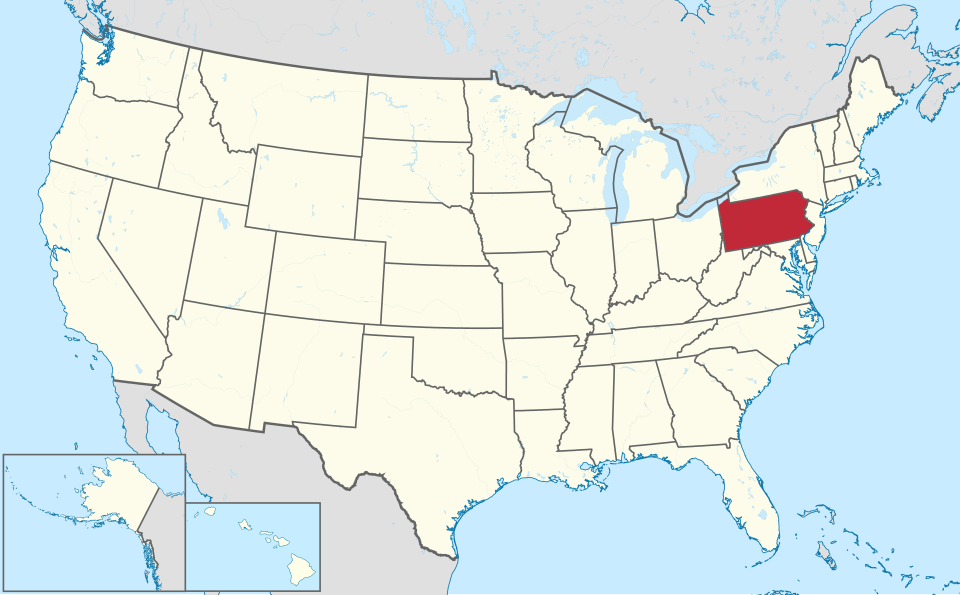
Pennsylvania is home to one of the largest and oldest populations in the United States. As of 2024, the state has an estimated 12.9 million residents, with 2.5 million aged 65 and older — representing approximately 19.4% of the total population. This makes Pennsylvania one of the top five states by senior population size and percentage.
Older adults in Pennsylvania are frequently targeted by scammers through Medicare fraud, fake tech support calls, romance scams, and phishing attacks. The risk is especially high in the state’s largest cities:
- Philadelphia (approx. 1.6 million people)
- Pittsburgh (approx. 300,000 city population; ~2.4 million metro area)
- Allentown (approx. 130,000 people)
Each of these cities has a significant aging population and a growing fraud problem. In 2025, Pennsylvania seniors lost $216 million to fraud — up 44% from 2024. Investment scams led at $98 million (+75%), followed by tech support fraud ($35 million) and romance scams ($20 million). Public awareness and community action are key to prevention.
II. 2025 Victim Report: How Scammers Targeted Pennsylvania’s Seniors
In 2025, Pennsylvania had 7,088 victims aged 60+ who reported losses totaling $215,887,466 — up 12% in victims and 44% in losses compared to 2024 (6,350 victims / $150.4M).
Source: FBI IC3 2025 Annual Report. Pennsylvania ranked #9 nationally for elder fraud losses. View national statistics.
Loss by Crime Type
| Crime Type | 2025 Loss | 2024 Loss | Change |
| Investment | $98,316,604 | $56,227,739 | +75% |
| Tech Support | $35,453,804 | $30,806,443 | +15% |
| Romance | $20,180,681 | $19,302,412 | +5% |
| Lottery/Sweepstakes | $4,982,957 | $1,428,232 | +249% |
| Extortion | $259,229 | $1,159,996 | -78% |
| Government Impersonation | $10,664,920 | $8,733,820 | +22% |
Elder Fraud Loss Trajectory — Pennsylvania
5-Year Elder Fraud Trend — Pennsylvania (2021—2025)
| Year | Victims (60+) | Total Loss | YoY Change | Nat’l Rank |
| 2021 | 3,166 | $58,251,054 | — | #6 |
| 2022 | 2,901 | $80,250,904 | +38% | #8 |
| 2023 | 3,022 | $118,096,254 | +47% | #7 |
| 2024 | 6,350 | $150,427,498 | +27% | #8 |
| 2025 | 7,088 | $215,887,466 | +44% | #9 |
| 5-Year Total | 22,527 | $622,913,176 | +271% (2021—2025) | — |
Source: FBI Internet Crime Complaint Center (IC3) Annual Reports, 2021—2025. Covers victims aged 60 and older. National rank is by total dollar loss among 52 states/territories. National totals: $1.7B (2021), $3.1B (2022), $3.4B (2023), $4.9B (2024), $7.7B (2025) — $20.8 billion stolen from American seniors over five years.
Top Crime Types Targeting Pennsylvania Seniors (2025 vs. 5-Year)
| Crime Type | 2025 Victims | 2025 Loss | 5-Year Total | Growth (2021—25) |
| Investment | 514 | $98,316,604 | $227,065,124 | +4,999% |
| Tech Support | 825 | $35,453,804 | $117,157,033 | +176% |
| Romance | 466 | $20,180,681 | $74,316,311 | +28% |
| BEC | 152 | $15,693,790 | $57,590,383 | +86% |
| Gov. Impersonation | 416 | $10,664,920 | $36,913,463 | +187% |
| Personal Data Breach | 471 | $8,529,137 | $28,451,869 | +57% |
Top 6 crime types by 2025 losses. Growth calculated from 2021 to 2025. For national crime type trends, see our Crime Type Migration Analysis.
What the data reveals: Pennsylvania ranks #9 nationally in total elder fraud losses at $216 million, up 44% from $150.4 million in 2024. Over 7,000 seniors were victimized. Investment scams grew 75% to $98 million, now accounting for 46% of all losses. Romance scams remained relatively stable (+5%), while government impersonation rose a modest 22% — both below the national average growth rate. Extortion, small in total ($259K), fell 78% from the prior year. Statewide, that comes to roughly one senior victim for every 1,845 Pennsylvania residents.
National context: Pennsylvania ranks #30 in per-capita victim rate (54.19 per 100,000), near the national midpoint. With 2.5 million residents over 65 — one of the largest senior populations in the country — the state’s moderate per-capita rate still translates to significant absolute numbers. The 44% year-over-year loss increase is below the national average of 57%, and the relatively flat growth in romance scams (+5%) suggests awareness campaigns in that category may be having an effect.
For the full national picture, including how Pennsylvania compares to every other state, visit our national hub page with interactive data and rankings.
III. Emergency & Official Contacts
Local Police Departments – Elder Fraud & Financial Crimes
1. Philadelphia Police Department – Economic Crimes Unit
- Phone: (215) 686-8477 (non-emergency tip line)
- Website: www.phillypolice.com
- Tip: Ask for Economic Crimes Division when reporting elder scams.
2. Pittsburgh Bureau of Police – Financial Crimes
- Phone: (412) 323-7800 (non-emergency)
- Website: pittsburghpa.gov/police
- Ask for “Financial & Elder Exploitation Unit” if available.
3. Allentown Police Department
- Phone: (610) 437-7753 (non-emergency)
- Website: www.allentownpa.gov
- Tip: Ask for referral to white collar crimes or fraud investigators.
FBI & Federal Reporting Tools
FBI Philadelphia Field Office
- Phone: (215) 418-4000
- Website: www.fbi.gov/contact-us/field-offices/philadelphia
Internet Crime Complaint Center (IC3)
- Website: www.ic3.gov
- Use to report cybercrimes targeting you or a loved one.
Pennsylvania Attorney General – Elder Protection Unit
Office of the PA Attorney General – Elder Protection Unit
- Elder Abuse Hotline: (866) 623-2137
- General Consumer Hotline: (800) 441-2555
- Website: www.attorneygeneral.gov
- This unit helps investigate financial exploitation, fraud, and scams targeting older adults.
Other Statewide Elder Support Services
Pennsylvania Department of Aging – Protective Services
- Helpline: (800) 490-8505
- Website: www.aging.pa.gov
Area Agencies on Aging (AAA) – Local Assistance
- Find local contacts via: www.aging.pa.gov/AAA
- Tip: They can help report abuse, locate services, and offer counseling.
Pennsylvania Senior Medicare Patrol (SMP)
- Phone: (800) 356-3606
- Website: www.carie.org/smp
- Helps identify and stop Medicare fraud and billing scams.
Philadelphia Corporation for Aging – Elder Abuse Reporting
- Phone: (215) 765-9040
- Website: www.pcacares.org
Don’t Stay Silent
- Pennsylvania seniors report millions in financial losses every year due to online fraud — but most cases go unreported.
- Save these numbers. Share them with friends, neighbors, and caregivers.
- Visit our Learning Center to learn how scams work and how to fight back.
- Early action can stop crime and save lives — even one phone call can make a difference.

Recent Pennsylvania scam news
Recent news coverage of scams affecting Pennsylvania seniors, updated from our alerts desk. Each item links to the original outlet; victims and defendants are kept anonymous.
Pennsylvania couple loses $1,000 after a fake sweepstakes caller demands gift cards
Pennsylvania State Police described a sweepstakes scam in which an older couple was told they had won a prize and needed to buy gift cards before they could collect it. The couple bought two gift cards and sent photos of the card information, losing $1,000. This is a classic red flag: legitimate sweepstakes do not require winners to pay fees, taxes, shipping, or processing charges with gift cards. If a caller asks for card numbers, cryptocurrency, wire transfers, or payment apps before a prize can be released, stop and verify with a trusted person before doing anything else.
Read at Times Leader →East Lansdowne, Pennsylvania police list six scam types seniors should watch for
The East Lansdowne, Pennsylvania Police Department issued a 'Senior Citizen Scam Alert' listing the most common tactics targeting older residents: phantom hacker scams claiming a computer or bank account has been compromised, grandparent scams with a fake emergency, government impersonation calls claiming to be the IRS, Social Security, Medicare, or law enforcement, tech support pop-ups claiming a virus, lottery and sweepstakes prize offers that require a fee, and romance scams that start on social media or dating sites. Their clearest warning sign: no legitimate agency, bank, utility company, or business will ever ask you to pay with gift cards, cryptocurrency, wire transfers, or a payment app, and any pressure to act immediately or keep the call secret is a red flag. If you get a call like this, hang up, do not share personal or financial information, and verify with a trusted family member or the police department directly.
Read at East Lansdowne Police Department (CrimeWatch) →Fake utility worker accused of scamming Philadelphia seniors out of thousands
Philadelphia police warn that a man posing as a water department worker entered older adults' homes and stole cash and jewelry.
Read at 6ABC Philadelphia →Lawmakers urge bipartisan action to protect seniors from scams
State leaders are calling for joint action to shield older adults from financial scams.
Read at FOX43 →'Gold bar' scam cost Radnor seniors more than $3 million, police say
Pennsylvania police report older residents lost over $3 million in a gold-bar scam that posed as officials.
Read at AOL →Stop the Scam: Helping seniors recognize online scams and AI fraud
A Pittsburgh town hall taught seniors to slow down, guard personal details, and spot AI-driven online scams.
Read at Yahoo →IV. Learn More: Pennsylvania Scam Prevention Guides
Explore Pennsylvania-specific guides on the most common scams targeting seniors in your state:
- Tech Support Scams in Pennsylvania — Learn to recognize fake pop-ups, phone calls, and remote access schemes.
- Investment Scams in Pennsylvania — Protect your retirement savings from fraudulent advisors and crypto scams.
- Romance Scams in Pennsylvania — Spot the warning signs of fake online relationships designed to steal money.
- Government Impersonation Scams in Pennsylvania — Know what real government agencies will never ask you to do.
- How to Report Scams in Pennsylvania — Step-by-step guide to reporting fraud and starting recovery.
For national-level data on each scam type, see our Investment, Tech Support, Romance, and Government Impersonation national guides.
See how Pennsylvania compares. Curious where Pennsylvania ranks in the national picture? Stolen Trust, our 2026 special study, ranks every state and territory using five years of FBI data and lays out one practical plan to fix elder fraud.