

Senior Scam Prevention & Fraud Resources in Ohio
Ohio seniors reported $164 million in elder fraud losses to the FBI in 2025, with 6,948 victims aged 60 and older. This page provides Ohio-specific scam prevention resources, official reporting contacts, and five years of FBI elder fraud data for the state.
Already been scammed? Read our First 24 Hours Emergency Guide for critical steps to take immediately.
I. Overview: Ohio’s Senior Population & Key Cities
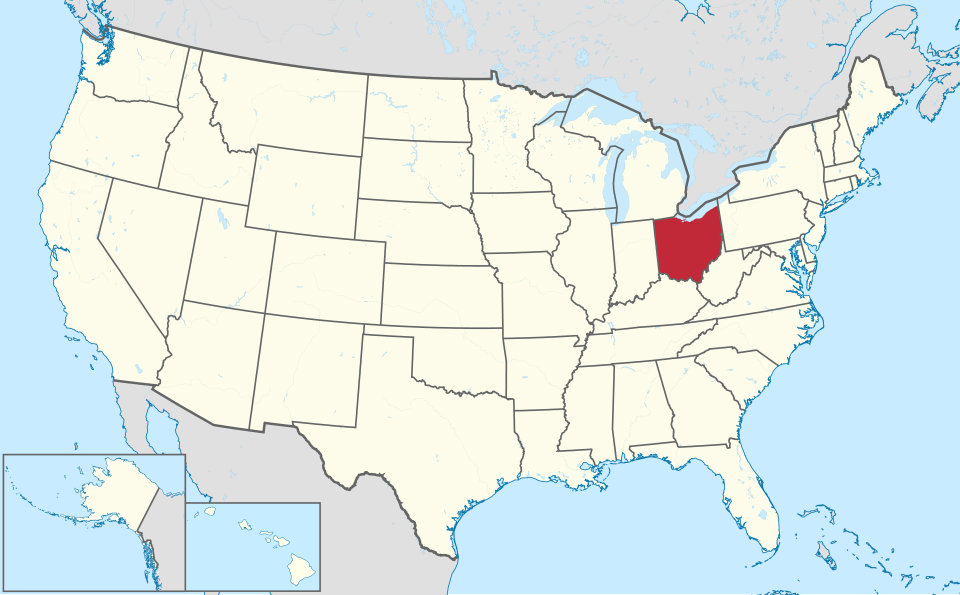
Ohio has a population of approximately 11.8 million as of 2024, with more than 2.1 million residents aged 65 and older — accounting for about 17.8% of the state’s total population. This growing senior population is increasingly being targeted by online scammers using tactics such as tech support fraud, fake investment schemes, and Medicare phishing attacks.
The largest cities in Ohio — each with substantial elder populations — are:
- Columbus (approx. 920,000 people)
- Cleveland (approx. 370,000 people)
- Cincinnati (approx. 310,000 people)
These urban areas are aging rapidly and represent key zones for elder fraud. In 2025, investment scams were Ohio’s biggest threat at $81 million (+154%), followed by tech support fraud ($22 million) and romance scams ($12 million). Notably, Ohio is one of few states where government impersonation actually decreased (-18%), while extortion surged 893% to $5.2 million.
II. 2025 Victim Report: How Scammers Targeted Ohio’s Seniors
In 2025, Ohio had 6,948 victims aged 60+ who reported losses totaling $163,748,647 — up 29% in victims and 72% in losses compared to 2024 (5,389 victims / $95M).
Loss by Crime Type
| Crime Type | 2025 Loss | 2024 Loss | Change |
| Investment | $81,130,382 | $31,963,744 | +154% |
| Tech Support | $22,019,506 | $10,931,422 | +101% |
| Romance | $12,122,050 | $11,589,540 | +5% |
| Lottery/Sweepstakes | $4,409,447 | $7,068,711 | -38% |
| Extortion | $5,187,773 | $522,429 | +893% |
| Government Impersonation | $7,877,082 | $9,558,840 | -18% |
Elder Fraud Loss Trajectory — Ohio
5-Year Elder Fraud Trend — Ohio (2021—2025)
| Year | Victims (60+) | Total Loss | YoY Change | Nat’l Rank |
| 2021 | 3,703 | $36,468,312 | — | #12 |
| 2022 | 3,099 | $51,041,223 | +40% | #17 |
| 2023 | 3,296 | $64,024,384 | +25% | #14 |
| 2024 | 5,389 | $95,445,773 | +49% | #14 |
| 2025 | 6,948 | $163,748,647 | +72% | #15 |
| 5-Year Total | 22,435 | $410,728,339 | +349% (2021—2025) | — |
Source: FBI Internet Crime Complaint Center (IC3) Annual Reports, 2021—2025. Covers victims aged 60 and older. National rank is by total dollar loss among 52 states/territories. National totals: $1.7B (2021), $3.1B (2022), $3.4B (2023), $4.9B (2024), $7.7B (2025) — $20.8 billion stolen from American seniors over five years.
Top Crime Types Targeting Ohio Seniors (2025 vs. 5-Year)
| Crime Type | 2025 Victims | 2025 Loss | 5-Year Total | Growth (2021—25) |
| Investment | 408 | $81,130,382 | $146,314,198 | +2,632% |
| Tech Support | 716 | $22,019,506 | $61,706,242 | +346% |
| Romance | 383 | $12,122,050 | $54,751,598 | +49% |
| BEC | 116 | $8,582,205 | $37,095,103 | +0% |
| Gov. Impersonation | 293 | $7,877,082 | $24,591,047 | +920% |
| Personal Data Breach | 408 | $6,410,371 | $17,272,413 | +337% |
Top 6 crime types by 2025 losses. Growth calculated from 2021 to 2025. For national crime type trends, see our Crime Type Migration Analysis.
What the data reveals: Ohio’s elder fraud losses reached $164 million in 2025, up 72% from $95 million in 2024. Nearly 7,000 seniors were victimized. Investment fraud more than doubled to $81 million, now representing half of all losses. The government impersonation decline (-18%) stands out as a rare piece of good news, though extortion losses jumped nearly tenfold. Statewide, that comes to roughly one senior victim for every 1,710 Ohio residents.
National context: Ohio ranks #15 in total losses and #24 in per-capita victim rate (58.47 per 100,000). While Ohio’s rate is close to the national midpoint, its 72% year-over-year increase exceeds the national average of 57%, indicating an accelerating problem. With 2.1 million residents over 65 — one of the largest senior populations in the country — the absolute numbers are significant.
For the full national picture, including how Ohio compares to every other state, visit our national hub page with interactive data and rankings.
III. Emergency & Official Contacts
Local Police Departments – Elder Fraud & Financial Crimes
1. Columbus Division of Police – Economic Crimes Unit
- Phone: (614) 645-4545 (non-emergency)
- Website: www.columbus.gov/police
- Tip: Ask to speak with Financial Crimes or Elder Services officer.
2. Cleveland Division of Police – Financial Crimes Unit
- Phone: (216) 621-1234 (non-emergency)
- Website: www.clevelandohio.gov/city-hall/departments/public-safety/divisions/police
- Tip: Request a report for elder fraud or scam-related financial loss.
3. Cincinnati Police Department – Fraud Investigations
- Phone: (513) 765-1212 (non-emergency)
- Website: www.cincinnati-oh.gov/police
- Ask for white collar or financial crimes division to report elder scams.
FBI & Federal Reporting Tools
FBI Cincinnati Field Office
- Phone: (513) 421-4310
- Website: www.fbi.gov/contact-us/field-offices/cincinnati
Internet Crime Complaint Center (IC3)
- Website: www.ic3.gov
- Use to file reports on scams, online fraud, phishing, and impersonation crimes.
Ohio Attorney General – Elder Protection & Consumer Fraud
Office of the Ohio Attorney General – Elder Justice Unit
- Elder Fraud Hotline: (800) 282-0515
- Website: www.ohioattorneygeneral.gov
- Offers assistance in reporting scams, investigating financial abuse, and accessing local resources.
Additional Elder Protection & Support Services
Ohio Adult Protective Services (APS)
- To report elder abuse or financial exploitation: Call your County Department of Job and Family Services, or
- State APS Helpline: (855) 644-6277
- Website: jfs.ohio.gov (search APS by county)
Ohio Senior Medicare Patrol (SMP)
- Phone: (800) 293-4767
- Website: www.proseniors.org
- Helps seniors detect and prevent Medicare and health fraud.
Ohio Department of Aging – Senior Support Hotline
- Phone: (866) 243-5678
- Website: www.aging.ohio.gov
- Connects you with local agencies on aging and protective services.
City of Columbus – Senior Services Coordination
- Phone: (614) 645-3111 (Call 311 from local number)
- Website: www.columbus.gov
Stay Vigilant, Stay Connected
- Save and share these contacts with neighbors, family, and community groups.
- Don’t hesitate to report suspicious calls, emails, or financial activity.
- Visit our Learning Center to understand the latest scams targeting Ohio seniors — and how to stop them.
- Remember: early action prevents loss. You are never alone in this fight.

Recent Ohio scam news
Recent news coverage of scams affecting Ohio seniors, updated from our alerts desk. Each item links to the original outlet; victims and defendants are kept anonymous.
Ohio county officials warn that an online video falsely promises senior homeowner tax relief
Lorain County officials in Ohio warned residents about a misleading online video claiming that seniors can apply for a new federal tax relief program by requesting a county form. The warning says the video falsely suggests a special application process and could lead people to share information or follow instructions from an unverified source. The safer move is to ignore tax-relief claims that arrive through social media or online videos, then verify directly with the county auditor, treasurer, or another official office using a phone number or website you look up yourself.
Read at Chronicle Telegram →AI-generated videos are spreading a fake senior property tax relief scheme nationwide, officials warn
Ohio county auditors (Franklin, Carroll, and Montgomery counties) and officials in Meridian Township, Michigan and Mariposa County, California are all now warning about AI-generated videos and social media posts falsely claiming a special property tax relief program exists for senior homeowners. Depending on the version, the videos direct viewers to request a nonexistent "Senior Homeowner Tax Review Request" form from their county auditor, or a fake "IRS Form 1098-SR," neither of which exists; there is no federal law or IRS form that creates this benefit. The videos target older homeowners and are designed to collect personal information under the promise of a tax break or government payment. Real property tax relief for qualifying seniors does exist in most states (in Ohio, through the Homestead Exemption Program; in California, through the Homeowners' Exemption, Proposition 19, or the Property Tax Postponement Program), so the safe move is to slow down, ignore the video, and call your own county assessor or auditor's office, using a number you look up yourself, instead of requesting any form online.
Read at FOX28 Columbus (WSYX) →Wood County, Ohio officials describe a 90-year-old who mailed checks for months to a fake "police" PO box
Speaking to seniors in Bowling Green, Ohio, the Wood County prosecutor and sheriff say reports of scams stealing $10,000 or more have quadrupled since 2020, and reports of losses over $100,000 have grown sevenfold, numbers they believe are still undercounted. In one case they described, a 90-year-old woman was convinced she was helping her local police department and mailed several checks a month to a post office box in South Carolina before realizing the money was gone. Officials say many of these losses go unreported, or are reported too late, because older victims feel shame or fear that a costly mistake could threaten their independence. Their advice: never send money or personal information based on an unexpected call, and verify any request, including one claiming to be from local police, by calling the department back on a number you look up yourself.
Read at BG Independent News →Cincinnati public radio panel breaks down caller-ID spoofing, imposter scams, and a strange new con targeting authors
On Cincinnati Edition, the Hamilton County sheriff, a Better Business Bureau official, a scam-prevention advocate, and a cybersecurity consultant discussed how con artists spoof caller ID and pose as trusted contacts to target older and younger residents alike, and previewed an unusual new scheme aimed at authors. The panel cited the FBI's finding that older adults reported losing about $7.7 billion to scams in 2025, an eightfold increase since 2020. Listeners were given practical tips for protecting their money and for stepping in when they suspect a loved one is being targeted, and were pointed to the Hamilton County Sheriff's Office and Clerk of Courts for help. The consistent advice across the panel: verify who is really calling before trusting caller ID or a familiar voice.
Read at WVXU (Cincinnati Edition) →Wood County, Ohio officials share a simple test for spotting a scam: 'don't tell anyone' is the giveaway
At a senior center in Walbridge, Ohio, the Wood County sheriff and county prosecutor continued their 'Frauds and Scams: Spot Them and Stop Them' tour, walking residents through common tactics: fake Microsoft security warnings, 'grandchild in jail' calls, callers posing as FBI agents demanding a bank withdrawal, and romance scammers who 'love bomb' a new partner before asking for rent or relocation money. Their clearest red flag: if a caller ever tells you not to tell anyone what's happening, it is a scam, since real institutions never ask you to keep a call secret. Their advice: never click an unknown link, give remote access to your computer, or share personal information with someone who called you; slow down, hang up, and verify by contacting the bank or agency directly using a number you look up yourself.
Read at Sentinel Tribune →Ohio launches a statewide hotline for romance scam victims and their families
The Ohio Attorney General's office has launched a new hotline, 1-855-961-SCAM, so residents can report a suspected romance scam and get help if they or a loved one has been targeted. Callers share what they know, such as names and photos exchanged with a suspected scammer, and forensic investigators with the state's Bureau of Criminal Investigation review the details for signs of fraud before the office connects victims with educational resources and guidance to prevent further losses. The state says Ohioans lost nearly $42 million to romance scams last year. Because embarrassment often keeps victims silent, officials are encouraging anyone who suspects a scam, for themselves or a family member, to call the hotline, slow down, and ask questions before sending any more money to someone they have only met online.
Read at WHIO-TV (Dayton) →IV. Learn More: Ohio Scam Prevention Guides
Explore Ohio-specific guides on the most common scams targeting seniors in your state:
- Tech Support Scams in Ohio — Learn to recognize fake pop-ups, phone calls, and remote access schemes.
- Investment Scams in Ohio — Protect your retirement savings from fraudulent advisors and crypto scams.
- Romance Scams in Ohio — Spot the warning signs of fake online relationships designed to steal money.
- Government Impersonation Scams in Ohio — Know what real government agencies will never ask you to do.
- How to Report Scams in Ohio — Step-by-step guide to reporting fraud and starting recovery.
For national-level data on each scam type, see our Investment, Tech Support, Romance, and Government Impersonation national guides.
See how Ohio compares. Curious where Ohio ranks in the national picture? Stolen Trust, our 2026 special study, ranks every state and territory using five years of FBI data and lays out one practical plan to fix elder fraud.