

Senior Scam Prevention & Fraud Resources in Missouri
Missouri seniors reported $92 million in elder fraud losses to the FBI in 2025, with 3,247 victims aged 60 and older. This page provides Missouri-specific scam prevention resources, official reporting contacts, and five years of FBI elder fraud data for the state.
Already been scammed? Read our First 24 Hours Emergency Guide for critical steps to take immediately.
I. Overview: Missouri’s Senior Population & Key Cities
As of 2024, Missouri has an estimated population of 6.2 million, with approximately 1.1 million residents aged 65 and older, accounting for 17.3% of the state’s total population. With an aging population and a growing number of tech-enabled scams, Missouri seniors are increasingly targeted by financial fraud, phishing emails, romance scams, Medicare deceptions, and tech support impersonation schemes.
The largest cities in Missouri — home to many older adults and consistently high volumes of fraud reports — are:
- Kansas City (approx. 510,000 people)
- St. Louis (approx. 290,000 people)
- Springfield (approx. 170,000 people)
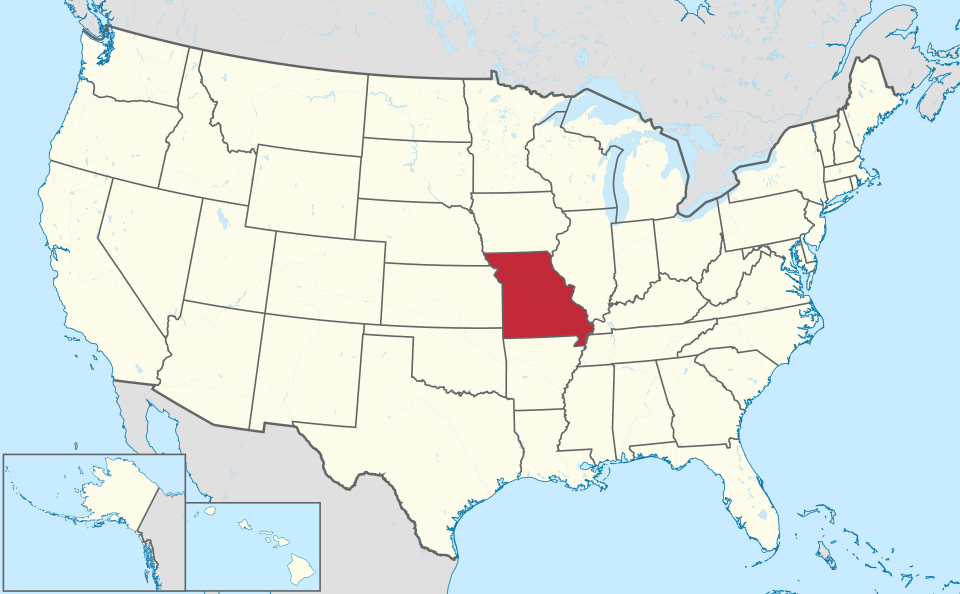
These communities have robust senior populations facing a mixed but concerning picture. In 2025, Missouri seniors lost $92 million to fraud (+44%). Investment scams doubled to $40 million (+120%), but in an unusual pattern, tech support fraud decreased 12% and government impersonation fell 18% — two of only a few states where these categories declined.
II. 2025 Victim Report: How Scammers Targeted Missouri’s Seniors
In 2025, Missouri had 3,247 victims aged 60+ who reported losses totaling $91,563,419 — up 48% in victims and 44% in losses compared to 2024 (2,200 victims / $64M).
Loss by Crime Type
| Crime Type | 2025 Loss | 2024 Loss | Change |
| Investment | $40,250,754 | $18,294,933 | +120% |
| Tech Support | $12,478,669 | $14,117,451 | -12% |
| Romance | $13,656,534 | $9,670,487 | +41% |
| Lottery/Sweepstakes | $1,907,776 | $1,905,548 | +0% |
| Extortion | $631,283 | $288,790 | +119% |
| Government Impersonation | $3,570,436 | $4,366,024 | -18% |
Elder Fraud Loss Trajectory — Missouri
5-Year Elder Fraud Trend — Missouri (2021—2025)
| Year | Victims (60+) | Total Loss | YoY Change | Nat’l Rank |
| 2021 | 1,345 | $14,295,472 | — | #27 |
| 2022 | 1,503 | $34,961,102 | +145% | #23 |
| 2023 | 1,502 | $52,775,722 | +51% | #19 |
| 2024 | 2,200 | $63,535,750 | +20% | #20 |
| 2025 | 3,247 | $91,563,419 | +44% | #23 |
| 5-Year Total | 9,797 | $257,131,465 | +541% (2021—2025) | — |
Source: FBI Internet Crime Complaint Center (IC3) Annual Reports, 2021—2025. Covers victims aged 60 and older. National rank is by total dollar loss among 52 states/territories. National totals: $1.7B (2021), $3.1B (2022), $3.4B (2023), $4.9B (2024), $7.7B (2025) — $20.8 billion stolen from American seniors over five years.
Top Crime Types Targeting Missouri Seniors (2025 vs. 5-Year)
| Crime Type | 2025 Victims | 2025 Loss | 5-Year Total | Growth (2021—25) |
| Investment | 277 | $40,250,754 | $93,026,109 | +5,875% |
| Romance | 259 | $13,656,534 | $37,979,744 | +161% |
| Tech Support | 469 | $12,478,669 | $46,482,394 | +488% |
| BEC | 54 | $6,021,560 | $19,507,134 | +442% |
| Personal Data Breach | 247 | $3,639,392 | $10,956,060 | +1,008% |
| Gov. Impersonation | 211 | $3,570,436 | $10,068,674 | +6,030% |
Top 6 crime types by 2025 losses. Growth calculated from 2021 to 2025. For national crime type trends, see our Crime Type Migration Analysis.
What the data reveals: Missouri’s elder fraud losses reached $92 million in 2025, up 44% from $64 million in 2024, with 3,247 seniors victimized (+48%). Investment scams doubled to $40 million (+120%), now accounting for 44% of all losses. Missouri is one of few states where two major categories decreased: tech support fraud fell 12% and government impersonation dropped 18%. Lottery/sweepstakes held perfectly flat (+0%). Romance scams rose 41% to $14 million. Statewide, that comes to roughly one senior victim for every 1,923 Missouri residents.
National context: Missouri ranks #23 in total losses and #35 in per-capita victim rate (51.99 per 100,000), below the national midpoint. The 44% year-over-year loss increase is below the national average of 57%, and the declines in tech support and government impersonation are encouraging. However, the 120% surge in investment fraud follows the national pattern of this category becoming the dominant threat. Missouri’s data suggests some prevention efforts are working even as new threats emerge.
For the full national picture, including how Missouri compares to every other state, visit our national hub page with interactive data and rankings.
III. Emergency & Official Contacts
Local Police Departments – Elder Fraud & Financial Crimes
1. Kansas City Police Department – Economic Crimes Unit
- Phone: (816) 234-5000 (non-emergency)
- Website: www.kcpolice.org
- Tip: Ask for Economic Crimes or Fraud Investigation Unit.
2. St. Louis Metropolitan Police Department – Financial Crimes Section
- Phone: (314) 231-1212 (non-emergency)
- Website: www.slmpd.org
- Request to file an elder fraud or exploitation report.
3. Springfield Police Department – Investigations & Community Services
- Phone: (417) 864-1810 (non-emergency)
- Website: www.springfieldmo.gov
- Ask to speak with someone in fraud investigations or community elder safety.
FBI & Federal Scam Reporting
FBI Kansas City Field Office (covers all of Missouri)
- Phone: (816) 512-8200
- Website: www.fbi.gov/contact-us/field-offices/kansascity
Internet Crime Complaint Center (IC3)
- Website: www.ic3.gov
- Use to report online scams, phishing, impersonation, and financial fraud targeting older adults.
Missouri Attorney General – Elder Fraud & Consumer Protection
Office of the Missouri Attorney General – Consumer Protection Division
- Consumer Protection Hotline: (800) 392-8222
- Website: www.ago.mo.gov
- Handles fraud complaints, scam alerts, and resources to help seniors protect themselves and recover from scams.
Statewide Elder Support & Medicare Fraud Assistance
Missouri Adult Protective Services (APS)
- APS 24/7 Hotline: (800) 392-0210
- Website: health.mo.gov
- Use to report abuse, neglect, or financial exploitation of seniors.
Missouri Senior Medicare Patrol (SMP)
- Phone: (888) 515-6565
- Website: www.missourismp.org
- Helps identify and stop Medicare fraud, billing scams, and health insurance deception.
Missouri Department of Health & Senior Services – Division of Senior & Disability Services
- Aging Services Line: (573) 751-4842
- Website: health.mo.gov/seniors
- Connects older Missourians to local programs, legal aid, and financial protection services.
Be Proactive. Stay Safe. Speak Up.
- Missouri seniors lose millions of dollars annually to scams — most of which can be prevented by quick reporting and community awareness.
- Share these official contacts with family, caregivers, and neighbors.
- Visit our Education Center to learn how to recognize, avoid, and respond to fraud attempts.
- If something feels suspicious, don’t wait. Trust your gut — and report it.
Recent Missouri scam news
Recent news coverage of scams affecting Missouri seniors, updated from our alerts desk. Each item links to the original outlet; victims and defendants are kept anonymous.
St. Charles County, Missouri police report a rise in scams targeting seniors
St. Charles County, Missouri police say scam investigations involving older residents are up significantly this year, with tactics ranging from fake package-delivery texts to romance schemes to cash deposits at cryptocurrency kiosks. In one recent close call, an 82-year-old resident got a text about an order she never placed, and when she responded, a caller claiming to be a federal official told her to withdraw money to 'protect' it; she hung up instead. Police say the common thread is urgency, and that residents who report a suspected scam right away give officers a much better chance of recovering the money, as in one case that recovered $50,000 for a victim. If an unexpected call or text pressures you to move money fast, slow down and verify through a number you look up yourself before doing anything.
Read at KSDK →Missouri police warn of a fake 'online store' side-income scam with a recovery follow-up
Police in Marshall, Missouri are warning residents about a scam that starts with a social media ad promising easy extra income by setting up an online store. After providing personal information, the target got calls from people posing as company representatives who talked them into installing remote-access software, paying fees, and applying for new credit cards, and the victim lost thousands of dollars. A second caller then falsely claimed to be a former employee who could recover the lost money for another fee. The safe move is to slow down, never install remote-access software for a stranger who contacted you first, and verify any income opportunity by researching the company independently before paying anything or sharing account details.
Read at KMZU →On Your Side Scam School: Preventing elder financial fraud
A local consumer segment shares practical tips to help older adults recognize and prevent financial fraud.
Read at KY3 →Crestwood woman shares close call with online scam
A Missouri woman nearly sent thousands through a bitcoin machine until a police officer stepped in and stopped the scam.
Read at FOX 2 Now →Cryptocurrency Scams Surge, Target Older Adults
Missouri authorities warn that cryptocurrency scams using urgency and false promises are increasingly targeting older adults.
Read at KCTV5 →Clerk and police stop $30K crypto scam targeting Liberty senior
An alert store clerk and police stopped a Missouri senior from losing $30,000 in a cryptocurrency scam.
Read at FOX4 Kansas City →IV. Learn More: Missouri Scam Prevention Guides
Explore Missouri-specific guides on the most common scams targeting seniors in your state:
- Tech Support Scams in Missouri — Learn to recognize fake pop-ups, phone calls, and remote access schemes.
- Investment Scams in Missouri — Protect your retirement savings from fraudulent advisors and crypto scams.
- Romance Scams in Missouri — Spot the warning signs of fake online relationships designed to steal money.
- Government Impersonation Scams in Missouri — Know what real government agencies will never ask you to do.
- How to Report Scams in Missouri — Step-by-step guide to reporting fraud and starting recovery.
For national-level data on each scam type, see our Investment, Tech Support, Romance, and Government Impersonation national guides.
See how Missouri compares. Curious where Missouri ranks in the national picture? Stolen Trust, our 2026 special study, ranks every state and territory using five years of FBI data and lays out one practical plan to fix elder fraud.