

Senior Scam Prevention & Fraud Resources in Michigan
Michigan seniors reported $170 million in elder fraud losses to the FBI in 2025, with 5,731 victims aged 60 and older. This page provides Michigan-specific scam prevention resources, official reporting contacts, and five years of FBI elder fraud data for the state.
Already been scammed? Read our First 24 Hours Emergency Guide for critical steps to take immediately.
I. Overview: Michigan’s Senior Population & Key Cities
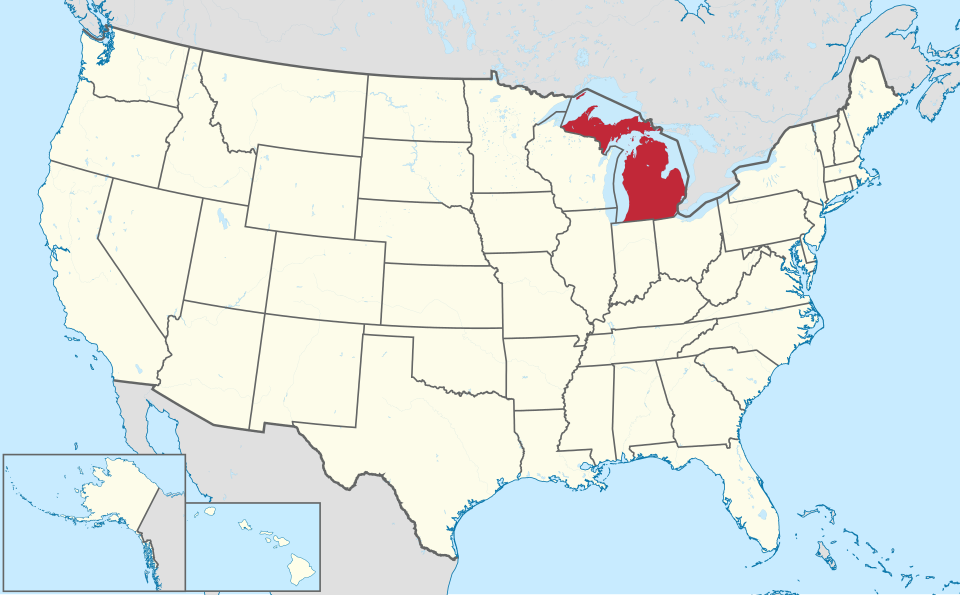
Michigan has an estimated population of 10 million as of 2024, with over 1.8 million residents aged 65 and older, representing about 18% of the state’s population. As the state’s senior population grows, so do the risks of online fraud, particularly scams involving phishing, Medicare fraud, romance scams, and tech support impersonation.
The three largest cities in Michigan, each with substantial older adult populations and frequent scam reports, are:
- Detroit (approx. 630,000 people)
- Grand Rapids (approx. 200,000 people)
- Warren (approx. 135,000 people)
These cities are home to many older residents facing an escalating threat. In 2025, Michigan seniors lost $170 million to fraud, up 84% from 2024. Investment scams doubled to $88 million (+107%), government impersonation doubled to $11.5 million (+102%), and lottery/sweepstakes losses nearly doubled to $4.9 million (+92%). Quick access to trusted support resources can prevent financial loss and emotional harm.
II. 2025 Victim Report: How Scammers Targeted Michigan’s Seniors
In 2025, Michigan had 5,731 victims aged 60+ who reported losses totaling $169,931,948 — up 82% in victims and 84% in losses compared to 2024 (3,148 victims / $92M).
Loss by Crime Type
| Crime Type | 2025 Loss | 2024 Loss | Change |
| Investment | $88,363,329 | $42,618,288 | +107% |
| Tech Support | $23,954,602 | $14,156,274 | +69% |
| Romance | $8,956,361 | $8,154,475 | +10% |
| Lottery/Sweepstakes | $4,861,714 | $2,528,287 | +92% |
| Extortion | $180,241 | $1,001,746 | -82% |
| Government Impersonation | $11,484,507 | $5,692,098 | +102% |
Elder Fraud Loss Trajectory — Michigan
5-Year Elder Fraud Trend — Michigan (2021—2025)
| Year | Victims (60+) | Total Loss | YoY Change | Nat’l Rank |
| 2021 | 2,040 | $25,449,460 | — | #19 |
| 2022 | 2,243 | $52,520,999 | +106% | #16 |
| 2023 | 2,109 | $58,552,106 | +11% | #16 |
| 2024 | 3,148 | $92,378,793 | +58% | #15 |
| 2025 | 5,731 | $169,931,948 | +84% | #13 |
| 5-Year Total | 15,271 | $398,833,306 | +568% (2021—2025) | — |
Source: FBI Internet Crime Complaint Center (IC3) Annual Reports, 2021—2025. Covers victims aged 60 and older. National rank is by total dollar loss among 52 states/territories. National totals: $1.7B (2021), $3.1B (2022), $3.4B (2023), $4.9B (2024), $7.7B (2025) — $20.8 billion stolen from American seniors over five years.
Top Crime Types Targeting Michigan Seniors (2025 vs. 5-Year)
| Crime Type | 2025 Victims | 2025 Loss | 5-Year Total | Growth (2021—25) |
| Investment | 369 | $88,363,329 | $170,247,444 | +2,428% |
| Tech Support | 633 | $23,954,602 | $68,133,575 | +457% |
| Gov. Impersonation | 272 | $11,484,507 | $19,895,169 | +17,148% |
| Romance | 280 | $8,956,361 | $41,498,290 | +26% |
| Lottery/Sweepstakes | 119 | $4,861,714 | $9,769,106 | +2,007% |
| BEC | 89 | $4,721,544 | $23,606,558 | -11% |
Top 6 crime types by 2025 losses. Growth calculated from 2021 to 2025. For national crime type trends, see our Crime Type Migration Analysis.
What the data reveals: Michigan’s elder fraud losses reached $170 million in 2025, up 84% from $92 million in 2024, with 5,731 seniors victimized (+82%). Investment scams doubled to $88 million (+107%), now accounting for 52% of all losses. Government impersonation also doubled (+102%), and lottery/sweepstakes losses climbed 92%, from $2.5 million to $4.9 million. Romance scams grew a modest 10%, one of the lowest growth rates for this category. Statewide, that comes to roughly one senior victim for every 1,769 Michigan residents.
National context: Michigan ranks #13 in total losses and #27 in per-capita victim rate (56.52 per 100,000). Both victim count (+82%) and losses (+84%) grew well above the national averages (37% and 57% respectively), indicating an accelerating problem.
For the full national picture, including how Michigan compares to every other state, visit our national hub page with interactive data and rankings.
Local Police Departments – Elder Fraud & Financial Crimes
1. Detroit Police Department – Financial Crimes Unit
- Phone: (313) 267-4600 (non-emergency)
- Website: www.detroitmi.gov
- Tip: Request referral to the Economic Crimes or Fraud Unit for senior scams.
2. Grand Rapids Police Department – Fraud Investigations
- Phone: (616) 456-3400 (non-emergency)
- Website: www.grandrapidsmi.gov
- Ask for fraud reporting or elder exploitation support.
3. Warren Police Department – Criminal Investigations
- Phone: (586) 574-4700 (non-emergency)
- Website: www.cityofwarren.org
- Request connection to financial crimes or senior outreach services.
FBI & Federal Fraud Reporting
FBI Detroit Field Office
- Phone: (313) 965-2323
- Website: www.fbi.gov/contact-us/field-offices/detroit
Internet Crime Complaint Center (IC3)
- Website: www.ic3.gov
- Use this platform to report phishing, identity theft, investment scams, and elder-targeted online fraud.
Michigan Attorney General – Elder Fraud & Consumer Protection
Michigan Department of Attorney General – Elder Abuse Task Force
- Elder Fraud Hotline: (800) 242-2873
- General Consumer Help: (877) 765-8388
- Website: www.michigan.gov/ag
- Offers complaint handling, scam tracking, and legal action against those targeting seniors.
Statewide Elder Services & Medicare Fraud Support
Michigan Adult Protective Services (APS)
- APS Hotline: (855) 444-3911 (24/7)
- Website: www.michigan.gov/mdhhs
- For reporting elder abuse, neglect, and financial exploitation.
Michigan Senior Medicare Patrol (SMP)
- Phone: (800) 803-7174
- Website: www.michigan.gov/mdhhs/adult-child-serv/adults-and-seniors/acls/senior-medicare-patrol-program
- Supports seniors in identifying and stopping Medicare fraud, overbilling, and deception.
Michigan Aging & Adult Services Agency (AASA)
- Help Line: (517) 241-4100
- Website: www.michigan.gov/mdhhs/adult-child-serv/adults-and-seniors/acls
- Connects older adults to Area Agencies on Aging, protective services, and elder law resources.
Take Control, Report Early
- Michigan seniors report tens of millions of dollars in scam losses each year, but reporting helps recover and prevent further abuse.
- Save these numbers and share them with friends, neighbors, and family members.
- Visit our Education Center to learn how to detect fraud before it happens.
- One phone call can stop a scam — act early, stay safe.

Recent Michigan scam news
Recent news coverage of scams affecting Michigan seniors, updated from our alerts desk. Each item links to the original outlet; victims and defendants are kept anonymous.
Michigan senior loses $270,000 in retirement savings to a fake FTC email
A Hazel Park, Michigan resident received a fraudulent email claiming to be from the FTC, telling her she faced arrest over an alleged drug-trafficking and money-laundering case tied to a vehicle supposedly linked to her. The message directed her to call a fake "agent in charge," who told her to buy gold to resolve the fabricated charges; when that was not enough, she was coerced into withdrawing money from both her own and her late husband's pension accounts, losing more than $270,000 in total. The FTC's own guidance is direct: a real government agency will never call, email, text, or message you on social media to ask for money or personal information. If you are contacted by someone claiming to represent a government agency, hang up or stop replying, resist any pressure to act urgently, and independently verify the agency's real phone number before calling back.
Read at Yahoo Finance →A Michigan coin dealer's alertness stopped a $385,000 gold scam before it was too late
When a woman walked into a Cedar Springs, Michigan coin and jewelry shop asking to buy $385,000 in gold, the owner noticed she was crying and seemed frightened, for herself and her family. Instead of completing the sale, he stopped and called the FBI. Investigators say she had been told, by callers posing as the government, law enforcement, or even family, that her bank accounts were compromised and that converting her savings to gold would keep the money safe, a setup that typically ends with a courier collecting the gold and the victim never seeing it again. Kent County has now stopped three such attempts since May, saving would-be victims a combined $1.3 million. The lesson for any dealer, banker, or family member: a large, urgent, tearful request to convert savings into gold is worth pausing on and asking questions before completing the sale.
Read at WOOD TV8 →Dearborn, Michigan police warn of a surge in door-to-door home repair scams targeting seniors
Police in Dearborn, Michigan are warning residents, especially older homeowners with well-kept houses, about con artists going door-to-door claiming urgent repairs are needed, then demanding full payment upfront before doing shoddy work or none at all. Officers say warning signs include an unprofessional appearance, pressure to pay immediately, and claims that a repair is a safety emergency. The safe move is to never pay upfront, ask for identification and proof of a contractor license, get a written price quote, and slow down by checking with a trusted family member or the company's real license before agreeing to any work.
Read at WCSX (94.7) →Macomb County offers free telephone town halls on senior fraud prevention
The Macomb County (Michigan) Prosecutor's Office is hosting free telephone town halls in July so residents can learn to prevent scams and financial exploitation and ask experts questions from home. Local, plain-language sessions like these are an easy way for older adults and caregivers to keep up with the scams active in their area.
Read at MLive →Scam calls targeting Mecosta and Osceola County seniors rise
Officials warn that scam calls, some using AI, are rising against seniors in two Michigan counties.
Read at Big Rapids Pioneer →Community Mental Health assists elderly victims of online scams
A Michigan mental health agency is helping seniors cope with distress after losing money to online scams.
Read at The County Press →IV. Learn More: Michigan Scam Prevention Guides
Explore Michigan-specific guides on the most common scams targeting seniors in your state:
- Tech Support Scams in Michigan — Learn to recognize fake pop-ups, phone calls, and remote access schemes.
- Investment Scams in Michigan — Protect your retirement savings from fraudulent advisors and crypto scams.
- Romance Scams in Michigan — Spot the warning signs of fake online relationships designed to steal money.
- Government Impersonation Scams in Michigan — Know what real government agencies will never ask you to do.
- How to Report Scams in Michigan — Step-by-step guide to reporting fraud and starting recovery.
For national-level data on each scam type, see our Investment, Tech Support, Romance, and Government Impersonation national guides.
See how Michigan compares. Curious where Michigan ranks in the national picture? Stolen Trust, our 2026 special study, ranks every state and territory using five years of FBI data and lays out one practical plan to fix elder fraud.