

Senior Scam Prevention & Fraud Resources in Massachusetts
Massachusetts seniors reported $114 million in elder fraud losses to the FBI in 2025, with 5,463 victims aged 60 and older. This page provides Massachusetts-specific scam prevention resources, official reporting contacts, and five years of FBI elder fraud data for the state.
Already been scammed? Read our First 24 Hours Emergency Guide for critical steps to take immediately.
I. Overview: Massachusetts’ Senior Population & Key Cities
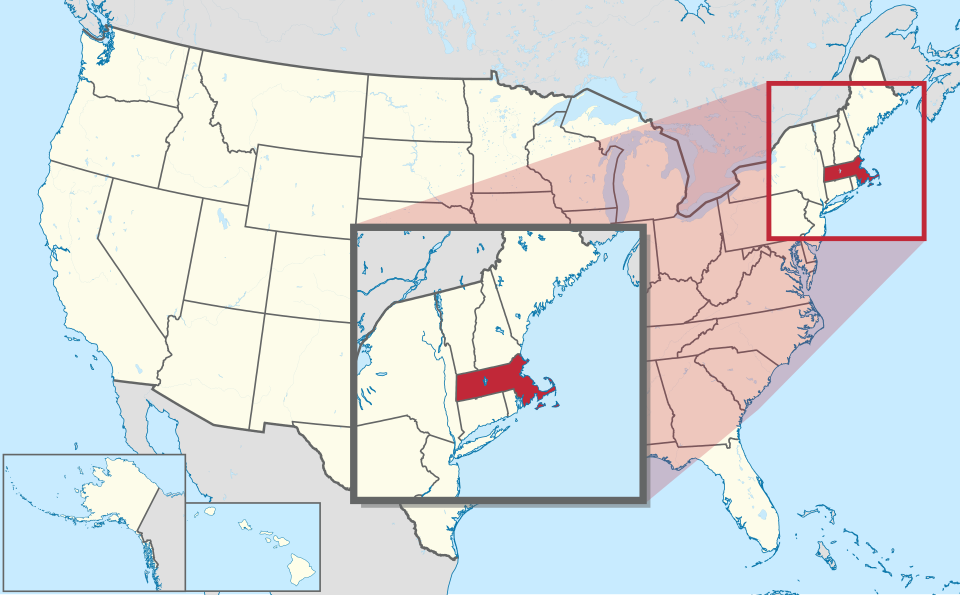
Massachusetts has an estimated population of 7 million as of 2024, with over 1.2 million residents aged 65 and older, representing 17.1% of the total population. As one of the oldest and most urbanized states in the U.S., Massachusetts faces a rising wave of cyber fraud cases targeting older adults — especially via phishing, romance scams, Medicare fraud, and fake tech support calls.
The top cities where seniors are most concentrated — and where elder fraud reports are most active — include:
- Boston (approx. 680,000 people)
- Worcester (approx. 210,000 people)
- Springfield (approx. 155,000 people)
These urban areas have strong services for aging populations, but the 2025 data tells a complex story. Massachusetts had the #4 highest per-capita victim rate in the nation, yet total losses grew only 14% — meaning more people were targeted but for lower amounts. Tech support fraud actually decreased 33%, a rare bright spot. Investment scams led at $50 million, while romance scams rose 29%.
II. 2025 Victim Report: How Scammers Targeted Massachusetts’ Seniors
In 2025, Massachusetts had 5,463 victims aged 60+ who reported losses totaling $113,880,471 — up 69% in victims and 14% in losses compared to 2024 (3,225 victims / $100M).
Loss by Crime Type
| Crime Type | 2025 Loss | 2024 Loss | Change |
| Investment | $50,246,701 | $41,398,272 | +21% |
| Tech Support | $19,321,368 | $28,665,238 | -33% |
| Romance | $8,695,064 | $6,756,955 | +29% |
| Lottery/Sweepstakes | $1,736,935 | $642,422 | +170% |
| Extortion | $137,920 | $112,985 | +22% |
| Government Impersonation | $2,733,688 | $2,833,571 | -4% |
Elder Fraud Loss Trajectory — Massachusetts
5-Year Elder Fraud Trend — Massachusetts (2021—2025)
| Year | Victims (60+) | Total Loss | YoY Change | Nat’l Rank |
| 2021 | 2,825 | $43,062,212 | — | #9 |
| 2022 | 1,653 | $70,100,868 | +63% | #11 |
| 2023 | 1,610 | $63,674,965 | -9% | #15 |
| 2024 | 3,225 | $99,806,055 | +57% | #13 |
| 2025 | 5,463 | $113,880,471 | +14% | #18 |
| 5-Year Total | 14,776 | $390,524,571 | +164% (2021—2025) | — |
Source: FBI Internet Crime Complaint Center (IC3) Annual Reports, 2021—2025. Covers victims aged 60 and older. National rank is by total dollar loss among 52 states/territories. National totals: $1.7B (2021), $3.1B (2022), $3.4B (2023), $4.9B (2024), $7.7B (2025) — $20.8 billion stolen from American seniors over five years.
Top Crime Types Targeting Massachusetts Seniors (2025 vs. 5-Year)
| Crime Type | 2025 Victims | 2025 Loss | 5-Year Total | Growth (2021—25) |
| Investment | 308 | $50,246,701 | $147,326,751 | +1,187% |
| Tech Support | 470 | $19,321,368 | $72,939,379 | +374% |
| BEC | 113 | $16,627,673 | $75,574,363 | -8% |
| Romance | 190 | $8,695,064 | $35,138,968 | -14% |
| Personal Data Breach | 234 | $5,571,325 | $13,640,455 | +622% |
| Gov. Impersonation | 205 | $2,733,688 | $8,213,625 | +1,094% |
Top 6 crime types by 2025 losses. Growth calculated from 2021 to 2025. For national crime type trends, see our Crime Type Migration Analysis.
What the data reveals: Massachusetts presents an unusual pattern: victim counts surged 69% (from 3,225 to 5,463), yet total losses grew only 14% (from $100 million to $114 million). This means the average loss per victim dropped significantly, suggesting more seniors are being targeted with smaller-scale scams. Tech support fraud decreased 33% — one of the steepest declines in this category nationally — and government impersonation held flat (-4%). Investment scams grew a moderate 21% to $50 million. Statewide, that comes to roughly one senior victim for every 1,306 Massachusetts residents.
National context: Massachusetts ranks #4 in per-capita victim rate (76.55 per 100,000) — higher than California, Texas, or New York. Despite this, total losses rank only #18, reflecting the lower average loss per victim. The 33% decline in tech support fraud and flat government impersonation suggest that targeted prevention campaigns may be working in specific categories. The 14% total loss growth is the lowest of any top-20 state by losses, but the 69% victim count increase is concerning.
For the full national picture, including how Massachusetts compares to every other state, visit our national hub page with interactive data and rankings.
III. Emergency & Official Contacts
Local Police Departments – Financial & Elder Crimes
1. Boston Police Department – Fraud & Cybercrime Division
- Phone: (617) 343-4200 (non-emergency)
- Website: police.boston.gov
- Tip: Request Economic Crimes Unit or Elder Fraud reporting assistance.
2. Worcester Police Department – Investigative Division
- Phone: (508) 799-8600 (non-emergency)
- Website: www.worcesterma.gov/police
- Ask for help reporting elder exploitation or suspicious financial activity.
3. Springfield Police Department – Senior Services Liaison
- Phone: (413) 787-6302 (non-emergency)
- Website: www.springfield-ma.gov
- Request referral to elder safety or fraud investigation team.
FBI & Federal Scam Reporting
FBI Boston Field Office
- Phone: (857) 386-2000
- Website: www.fbi.gov/contact-us/field-offices/boston
Internet Crime Complaint Center (IC3)
- Website: www.ic3.gov
- Use to report online scams, phishing, tech support fraud, or identity theft.
Massachusetts Attorney General – Elder Fraud Division
Office of the Massachusetts Attorney General – Elder Hotline
- Elder Abuse Hotline: (888) 243-5337
- General Consumer Help: (617) 727-8400
- Website: www.mass.gov/ago
- Handles fraud complaints, scam alerts, and referrals for elder exploitation cases.
Statewide Elder Protection Services
Massachusetts Executive Office of Elder Affairs
- Elder Abuse 24/7 Hotline: (800) 922-2275
- Website: www.mass.gov/elders
- Connects seniors and families with local protective services and elder support.
Massachusetts Senior Medicare Patrol (SMP)
- Phone: (800) 892-0890
- Website: www.masmp.org
- Provides Medicare fraud prevention and scam reporting services.
MassOptions – Statewide Aging Support Network
- Phone: (844) 422-6277
- Website: www.massoptions.org
- Connects older adults to legal help, benefits, and protective services across all counties.
Report Fast. Protect Yourself & Others.
- Massachusetts seniors lose millions of dollars annually to online and phone scams — many could be prevented with quick action.
- Save these phone numbers in your mobile device or post them on the fridge.
- Visit our Education Center to see scam examples, prevention tips, and what to do if you or a loved one is targeted.
- Don’t stay silent. One call can stop a scam in its tracks.

Recent Massachusetts scam news
Recent news coverage of scams affecting Massachusetts seniors, updated from our alerts desk. Each item links to the original outlet; victims and defendants are kept anonymous.
Opinion: Cape Cod elder fraud is reaching a "crisis level," editorial warns
In an editorial, The Bourne Enterprise argues that elder fraud on Cape Cod has reached what the Cape and Islands district attorney calls a "crisis level." Local police say they field these calls constantly, including one case in March where an older resident was pressured to pay a fake $3,500 "jury duty" fine, and the editorial also cites a case in which five people lost a combined $128,000 to a Bitcoin scam over two years. The tactics described include callers posing as a grandchild who needs bail money, as police threatening an arrest warrant, or as a bank asking to move funds, often demanding payment by gift card, wire transfer, or Bitcoin. The editorial's advice: never trust an unexpected caller asking for money, slow down and verify independently using a number you look up yourself, and treat any request for a gift card or cryptocurrency as a red flag.
Read at The Bourne Enterprise →Suffolk County, Massachusetts prosecutors warn seniors about AI voice cloning and deepfake scams
At a fraud-prevention workshop in Dorchester, Massachusetts, prosecutors warned residents that AI tools now let scammers clone a family member's voice for fake emergency calls, generate realistic fake photos and personas for romance scams, and produce convincing deepfake videos in minutes. They described one case in which a retiree lost more than a million dollars after being drawn into a fake online relationship and a bogus cryptocurrency investment. Their advice: block and delete suspicious messages, never use a phone number from a text or call, always dial the number on the back of your bank card instead, and independently verify any request from a 'family member' by contacting them directly before sending money.
Read at Dorchester Reporter →Western Massachusetts prosecutors warn seniors about AI-driven, high-tech scams
District attorneys in Western Massachusetts are warning older residents and their families that AI and other high-tech tools are making scams more convincing and harder to spot, and are urging people to guard their online and bank accounts and report anything suspicious quickly. When in doubt, slow down and verify before you act.
Read at MassLive →Great Barrington police warn of suspicious document scam
Massachusetts police warn residents about a scam using official-looking documents to trick people into paying.
Read at WWLP →BPD in the Community: District C-6 Shares Fraud Prevention Tips with Seniors
Boston police met with older residents to share simple, friendly tips for spotting and avoiding common fraud.
Read at Boston Police Department →Crypto ATM scams continue to plague seniors in Massachusetts
Scammers are increasingly steering Massachusetts seniors to crypto ATMs in gas stations and stores to hand over cash.
Read at Boston's ROCK 92.9 →IV. Learn More: Massachusetts Scam Prevention Guides
Explore Massachusetts-specific guides on the most common scams targeting seniors in your state:
- Tech Support Scams in Massachusetts — Learn to recognize fake pop-ups, phone calls, and remote access schemes.
- Investment Scams in Massachusetts — Protect your retirement savings from fraudulent advisors and crypto scams.
- Romance Scams in Massachusetts — Spot the warning signs of fake online relationships designed to steal money.
- Government Impersonation Scams in Massachusetts — Know what real government agencies will never ask you to do.
- How to Report Scams in Massachusetts — Step-by-step guide to reporting fraud and starting recovery.
For national-level data on each scam type, see our Investment, Tech Support, Romance, and Government Impersonation national guides.
See how Massachusetts compares. Curious where Massachusetts ranks in the national picture? Stolen Trust, our 2026 special study, ranks every state and territory using five years of FBI data and lays out one practical plan to fix elder fraud.