

Senior Scam Prevention & Fraud Resources in Florida
Florida seniors reported $710 million in elder fraud losses to the FBI in 2025, with 17,147 victims aged 60 and older. This page provides Florida-specific scam prevention resources, official reporting contacts, and five years of FBI elder fraud data for the state.
Already been scammed? Read our First 24 Hours Emergency Guide for critical steps to take immediately.
I. Overview: Florida’s Senior Population & Key Cities
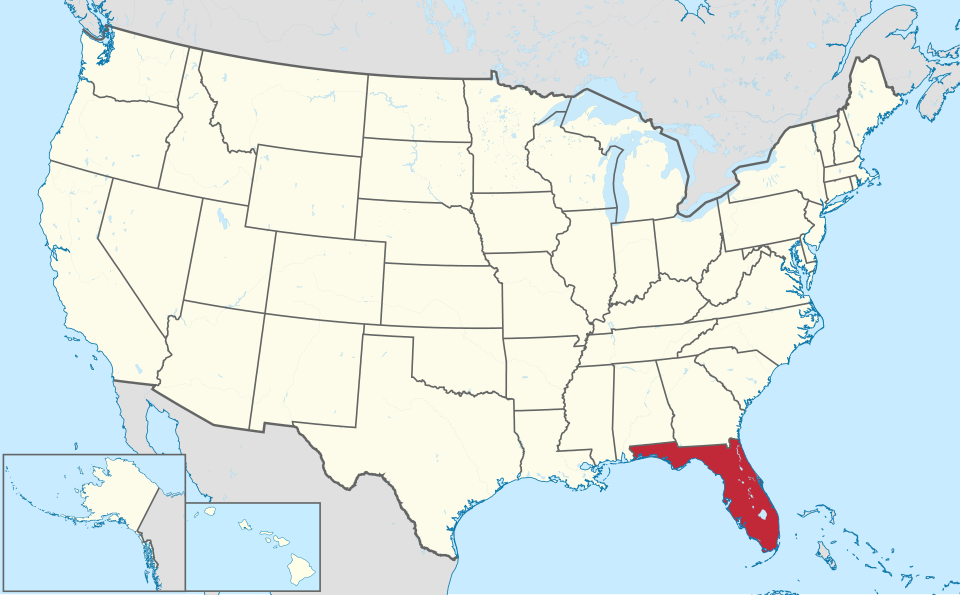
Florida has long been recognized as a retirement destination — and the numbers reflect it. As of 2024, Florida’s population is approximately 23.1 million, and more than 4.9 million residents are aged 65 and older, making up 21.2% of the state’s population — the highest percentage of seniors in the U.S.
This concentration of older adults makes Florida a prime target for scammers. In 2025, Florida seniors lost $710 million to fraud — an 83% increase from 2024. Investment scams led at $322 million (+110%), followed by tech support fraud ($122 million) and romance scams ($52 million). Government impersonation tripled to $25 million. Awareness and prevention are crucial across the state, especially in major population centers.
- Jacksonville (approx. 1.0 million people)
- Miami (approx. 450,000 city population; over 6 million in the metro area)
- Tampa (approx. 400,000 city population; 3 million in metro area)
These cities are home to large numbers of seniors and frequent fraud activity, including tech support scams, investment fraud, romance scams, and Medicare phishing attempts.
II. 2025 Victim Report: How Scammers Targeted Florida’s Seniors
In 2025, Florida had 17,147 victims aged 60+ who reported losses totaling $709,823,172 — up 44% in victims and 83% in losses compared to 2024 (11,903 victims / $388M).
Source: FBI IC3 2025 Annual Report. Florida ranked #2 nationally for elder fraud losses. View national statistics.
Loss by Crime Type
| Crime Type | 2025 Loss | 2024 Loss | Change |
| Investment | $322,464,043 | $153,438,979 | +110% |
| Tech Support | $122,218,354 | $73,817,666 | +66% |
| Romance | $52,066,239 | $36,522,146 | +43% |
| Lottery/Sweepstakes | $10,252,156 | $5,234,531 | +96% |
| Extortion | $1,544,963 | $1,652,720 | -7% |
| Government Impersonation | $24,984,669 | $8,230,216 | +204% |
Elder Fraud Loss Trajectory — Florida
5-Year Elder Fraud Trend — Florida (2021—2025)
| Year | Victims (60+) | Total Loss | YoY Change | Nat’l Rank |
| 2021 | 8,136 | $168,233,094 | — | #2 |
| 2022 | 8,480 | $327,414,114 | +95% | #2 |
| 2023 | 8,141 | $293,878,430 | -10% | #2 |
| 2024 | 11,903 | $388,462,628 | +32% | #3 |
| 2025 | 17,147 | $709,823,172 | +83% | #2 |
| 5-Year Total | 53,807 | $1,887,811,438 | +322% (2021—2025) | — |
Source: FBI Internet Crime Complaint Center (IC3) Annual Reports, 2021—2025. Covers victims aged 60 and older. National rank is by total dollar loss among 52 states/territories. National totals: $1.7B (2021), $3.1B (2022), $3.4B (2023), $4.9B (2024), $7.7B (2025) — $20.8 billion stolen from American seniors over five years.
Top Crime Types Targeting Florida Seniors (2025 vs. 5-Year)
| Crime Type | 2025 Victims | 2025 Loss | 5-Year Total | Growth (2021—25) |
| Investment | 1,750 | $322,464,043 | $706,674,641 | +1,196% |
| Tech Support | 2,062 | $122,218,354 | $329,026,720 | +435% |
| Romance | 1,019 | $52,066,239 | $215,320,761 | +10% |
| Personal Data Breach | 1,294 | $48,776,244 | $126,573,981 | +217% |
| BEC | 444 | $46,715,688 | $188,980,831 | +47% |
| Gov. Impersonation | 1,016 | $24,984,669 | $63,061,255 | +740% |
Top 6 crime types by 2025 losses. Growth calculated from 2021 to 2025. For national crime type trends, see our Crime Type Migration Analysis.
What the data reveals: Florida ranks #2 nationally in total elder fraud losses at $710 million, up 83% from $388 million in 2024. Over 17,100 seniors were victimized — more than any state except California. Investment fraud more than doubled (+110%), and government impersonation surged 204%. Notably, lottery and sweepstakes scams nearly doubled as well, rising 96%. Statewide, that comes to roughly one senior victim for every 1,363 Florida residents.
National context: Florida ranks #7 in per-capita victim rate (73.36 per 100,000) — significantly above the national average. With nearly 5 million residents over 65 and its reputation as a retirement destination, Florida remains one of the most heavily targeted states. The 83% year-over-year loss increase well exceeds the national average of 57%.
For the full national picture, including how Florida compares to every other state, visit our national hub page with interactive data and rankings.
III. Emergency & Official Contacts
Local Police Departments – Elder Fraud Units
1. Jacksonville Sheriff’s Office – Economic Crimes Unit
- Phone: (904) 630-0500 (non-emergency)
- Website: www.jaxsheriff.org
- Tip: Request Economic Crimes Unit for elder financial fraud reporting.
2. Miami Police Department – Fraud Division
- Phone: (305) 603-6640 (non-emergency)
- Website: www.miami-police.org
- Tip: Ask for assistance with elder scams or cyber fraud.
3. Tampa Police Department – Economic Crimes Section
- Phone: (813) 276-3200 (non-emergency)
- Website: www.tampa.gov/police
- Ask to be connected to the fraud investigations team.
FBI & Federal Support
FBI Miami Field Office
- Phone: (754) 703-2000
- Website: www.fbi.gov/contact-us/field-offices/miami
FBI Tampa Field Office
- Phone: (813) 253-1000
- Website: www.fbi.gov/contact-us/field-offices/tampa
Internet Crime Complaint Center (IC3)
- Website: www.ic3.gov
- Use for online scam reporting by seniors or family members.
Florida Attorney General – Elder Fraud & Abuse Division
Office of the Florida Attorney General – Senior Protection Team
- Fraud Hotline: (866) 966-7226
- Website: www.myfloridalegal.com/consumer-protection/senior-protection
This dedicated team works on:
- Investigating scams targeting seniors
- Coordinating with local and federal agencies
- Consumer education and outreach
Additional Elder Assistance & Reporting Contacts
Stop Elderly Scams
Email: [email protected]
Website: stopelderlyscams.com
Florida Adult Protective Services (APS) – 24/7 Elder Abuse Hotline
- Phone: (800) 962-2873
- Website: www.myflfamilies.com
Miami-Dade Elder Fraud Hotline (State Attorney’s Office)
- Phone: (305) 324-2962
- Website: www.miamisao.com
Florida Senior Medicare Patrol (SMP)
- Phone: (800) 963-5337
- Website: www.floridashine.org
Elder Helpline – Area Agencies on Aging
- Phone: (800) 96-ELDER (800-963-5337)
- Helps locate local services and legal support across all counties.
Be Informed, Be Ready
- Keep these numbers posted near your phone or saved on your mobile device.
- Never be afraid to report suspicious emails, calls, texts, or money requests.
- Florida seniors lose hundreds of millions of dollars annually to scams, but many frauds are stopped early thanks to you reporting them.
- Visit our Education Hub to learn how scams work and how to fight back.
Recent Florida scam news
Recent news coverage of scams affecting Florida seniors, updated from our alerts desk. Each item links to the original outlet; victims and defendants are kept anonymous.
A Central Florida woman lost thousands in a romance scam before she realized it wasn't real
A Central Florida woman built an online relationship over months with someone impersonating a well-known social media influencer, first contacted through Facebook. As the relationship deepened, the person asked her to pay for plane tickets, a hotel, and VIP event tickets for a trip to finally meet in person, none of which was ever delivered, then for Apple gift cards, and eventually talked her into depositing a fraudulent $4,000 check. Her bank is now requiring her to repay that amount at $130 a month, taken directly out of her Social Security check. Florida had more than 550 reported romance scam victims with combined losses of $22.2 million in 2025, part of a national total of more than 23,000 complaints and nearly $930 million lost. A local police chief's advice: ask to see and speak with anyone you meet online live on video before trusting them, never send money through a gift card, and let any check fully clear at your bank before you spend it or send money based on it. If you think you've been scammed, don't be embarrassed, report it to local law enforcement right away, and if a wire transfer was involved, contact your bank immediately to try to stop it.
Read at WKMG News 6 (ClickOrlando) →Florida's Operation Senior Shield: tech support shouldn't take control of your device
Florida's Operation Senior Shield is warning residents about tech-support scams in which callers or fake pop-up alerts pose as Microsoft, Apple, or another trusted company and pressure people to install remote-access software like AnyDesk or TeamViewer, handing the caller full control of their device. Once inside, scammers can view files, move money, or lock the owner out entirely, often demanding payment in gift cards or cryptocurrency to "fix" a problem that never existed. The advice: stop and verify before responding to any unexpected tech-support message or call, and never let anyone you did not contact yourself take remote control of your computer or phone. Suspected scams can be reported to ReportFraud.ftc.gov, the FBI's IC3.gov, or the Identity Theft Resource Center.
Read at Alachua Chronicle →A Florida wife's suspicion stopped a $14,000 gift-card scam in a Lowe's parking lot
A Nassau County, Florida woman grew concerned about a phone call her husband was having and contacted the sheriff's office. Deputies found him sitting in a Lowe's parking lot, still on the phone with a caller who was pressuring him to buy $14,000 in gift cards within two hours or have his account "hacked." Deputies reached him before he made any payment and helped him recognize he was being scammed. The sheriff's office says fraud reports in the county have climbed roughly 80 percent since 2021, and lists the same warning signs seen across most scams: pressure to act within a strict time limit, threats of arrest or account suspension, and requests to pay by gift card, cryptocurrency, or Cash App. Their advice: stop and verify any suspicious request before handing over money or personal information, whether the pressure is coming from a caller, a text, or someone you love who seems distressed on the phone.
Read at Action News Jax (WJAX) →Naples, Florida police recover $10,000 an elder-fraud victim had shipped to California
Naples, Florida police say an older resident was contacted by scammers posing as a legitimate government agency and, using fear and urgency, convinced to withdraw $10,000 in cash and ship it overnight to an address in California. After the victim reported the fraud, the department's Cyber Crimes Unit worked with UPS and law enforcement in California to intercept the package before it arrived, and the full $10,000 was recovered and is being returned to the victim. Investigators say pressure to act immediately, and any demand for cash, are the clearest red flags: no real government agency will ever contact you and demand money. Police say recovering money after a scam is often very difficult, especially once cryptocurrency or gift cards are involved, so the best defense is to slow down, take a breath, and, if you do send money, cut off contact with the scammer and report it right away.
Read at Gulf Coast News (WBBH) →Martin County, Florida deputies help a senior recover $600,000 after a gold-bar scam attempt
A Martin County, Florida senior grew suspicious after a caller claiming to be from his bank told him his account was compromised and convinced him to send $600,000 to a gold vendor for "safekeeping," with a third-party driver set to collect the gold and deliver it to the bank. He contacted his bank himself, and bank staff recognized the scam and pointed him to the Martin County Sheriff's Office. A responding deputy called the gold vendor directly and stopped the transaction before it was completed, and the sheriff's office says the man received a full refund of his $600,000. The case shows how a bank noticing something wrong, and a person willing to make one more phone call before sending money, can undo a scam already in motion.
Read at CBS12 (WPEC) →Florida's Operation Senior Shield warns donors about fake military charity scams
Florida's Department of Elder Affairs, through its Operation Senior Shield alert program, is warning residents to verify before donating to any charity that claims to support veterans, active-duty service members, or military families. The department says scammers exploit that generosity by creating fake charities and emotional fundraising appeals that look legitimate. Red flags include high-pressure requests for an immediate donation, social media fundraisers with few verifiable details, organization names that closely resemble a real, well-known charity, requests for unusual payment methods, and no clear explanation of how the money will be used. The safe move is to slow down and verify a charity yourself, through a resource like Give.org or CharityNavigator.org, before giving any money.
Read at Military.com →IV. Learn More: Florida Scam Prevention Guides
Explore Florida-specific guides on the most common scams targeting seniors in your state:
- Tech Support Scams in Florida — Learn to recognize fake pop-ups, phone calls, and remote access schemes.
- Investment Scams in Florida — Protect your retirement savings from fraudulent advisors and crypto scams.
- Romance Scams in Florida — Spot the warning signs of fake online relationships designed to steal money.
- Government Impersonation Scams in Florida — Know what real government agencies will never ask you to do.
- How to Report Scams in Florida — Step-by-step guide to reporting fraud and starting recovery.
For national-level data on each scam type, see our Investment, Tech Support, Romance, and Government Impersonation national guides.
See how Florida compares. Curious where Florida ranks in the national picture? Stolen Trust, our 2026 special study, ranks every state and territory using five years of FBI data and lays out one practical plan to fix elder fraud.