

Senior Scam Prevention & Fraud Resources in Connecticut
Connecticut seniors reported $73 million in elder fraud losses to the FBI in 2025, with 2,360 victims aged 60 and older. This page provides Connecticut-specific scam prevention resources, official reporting contacts, and five years of FBI elder fraud data for the state.
Already been scammed? Read our First 24 Hours Emergency Guide for critical steps to take immediately.
I. Overview: Connecticut’s Senior Population & Key Cities
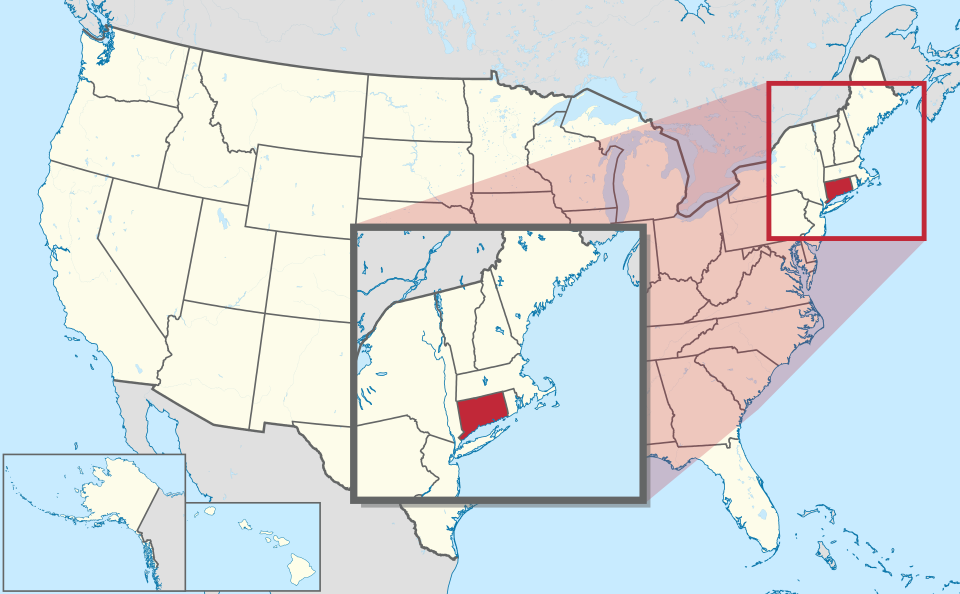
As of 2024, Connecticut has a population of approximately 3.6 million, with more than 660,000 residents aged 65 and older, accounting for about 18.3% of the total population. Connecticut’s seniors are frequently targeted by fraudsters using Medicare scams, phishing emails, fake tech support, romance fraud, and government impersonation tactics.
The state’s largest cities — home to many older adults and frequent scam reporting — include:
- Bridgeport (approx. 149,000 people)
- New Haven (approx. 135,000 people)
- Stamford (approx. 136,000 people)
With high rates of digital device usage among older adults, Connecticut’s seniors are heavily targeted. In 2025, losses reached $73 million. Investment scams surged to $32 million (+163%) and tech support more than doubled (+117%). Lottery and sweepstakes fraud also climbed sharply, rising 264% from $131,600 to $479,061.
II. 2025 Victim Report: How Scammers Targeted Connecticut’s Seniors
In 2025, Connecticut had 2,360 victims aged 60+ who reported losses totaling $73,178,714 — up 95% in victims and 137% in losses compared to 2024 (1,209 victims / $31M).
Loss by Crime Type
| Crime Type | 2025 Loss | 2024 Loss | Change |
| Investment | $31,561,072 | $12,007,107 | +163% |
| Tech Support | $10,961,283 | $5,048,004 | +117% |
| Romance | $2,844,413 | $2,246,201 | +27% |
| Lottery/Sweepstakes | $479,061 | $131,600 | +264% |
| Extortion | $275,182 | $55,389 | +397% |
| Government Impersonation | $1,989,183 | $687,298 | +189% |
Elder Fraud Loss Trajectory — Connecticut
5-Year Elder Fraud Trend — Connecticut (2021—2025)
| Year | Victims (60+) | Total Loss | YoY Change | Nat’l Rank |
| 2021 | 889 | $13,183,834 | — | #29 |
| 2022 | 908 | $33,660,316 | +155% | #24 |
| 2023 | 948 | $38,622,720 | +15% | #24 |
| 2024 | 1,209 | $30,918,559 | -20% | #32 |
| 2025 | 2,360 | $73,178,714 | +137% | #26 |
| 5-Year Total | 6,314 | $189,564,143 | +455% (2021—2025) | — |
Source: FBI Internet Crime Complaint Center (IC3) Annual Reports, 2021—2025. Covers victims aged 60 and older. National rank is by total dollar loss among 52 states/territories. National totals: $1.7B (2021), $3.1B (2022), $3.4B (2023), $4.9B (2024), $7.7B (2025) — $20.8 billion stolen from American seniors over five years.
Top Crime Types Targeting Connecticut Seniors (2025 vs. 5-Year)
| Crime Type | 2025 Victims | 2025 Loss | 5-Year Total | Growth (2021—25) |
| Investment | 164 | $31,561,072 | $64,883,484 | +1,267% |
| Tech Support | 270 | $10,961,283 | $33,332,133 | +439% |
| BEC | 69 | $9,799,704 | $41,376,448 | +90% |
| Romance | 111 | $2,844,413 | $14,093,894 | +78% |
| Gov. Impersonation | 114 | $1,989,183 | $5,517,673 | +1,704% |
| Personal Data Breach | 137 | $1,132,991 | $5,983,957 | +442% |
Top 6 crime types by 2025 losses. Growth calculated from 2021 to 2025. For national crime type trends, see our Crime Type Migration Analysis.
What the data reveals: Connecticut’s elder fraud losses reached $73 million in 2025, with 2,360 seniors victimized. Investment scams surged 163% to $32 million, and tech support fraud more than doubled (+117%) to $11 million. Government impersonation nearly tripled (+189%). Lottery and sweepstakes fraud climbed 264%, from $131,600 to $479,061. Romance scams grew a moderate 27%. Statewide, that comes to roughly one senior victim for every 1,557 Connecticut residents.
National context: Connecticut ranks #18 in per-capita victim rate (64.22 per 100,000), above the national midpoint. Despite its small size, Connecticut’s seniors are targeted at a higher rate per person than those in states like Texas, Ohio, or Michigan. Investment fraud alone accounted for $31.6 million, roughly 43% of all the money Connecticut seniors lost to reported fraud that year.
For the full national picture, including how Connecticut compares to every other state, visit our national hub page with interactive data and rankings.
III. Emergency & Official Contacts
Local Police Departments – Elder Fraud & Financial Crimes
1. Bridgeport Police Department – Financial Crimes
- Phone: (203) 576-7671 (non-emergency)
- Website: www.bridgeportct.gov
- Ask to report elder scams or identity theft to the appropriate division.
2. New Haven Police Department – Investigative Services
- Phone: (203) 946-6316 (non-emergency)
- Website: www.newhavenct.gov
- Request help with scam reporting or financial exploitation of seniors.
3. Stamford Police Department – Special Investigations
- Phone: (203) 977-4444 (non-emergency)
- Website: www.stamfordct.gov
- Contact to report fraud, elder abuse, or online scams.
FBI & Federal Scam Reporting
FBI New Haven Field Office
- Phone: (203) 777-6311
- Website: www.fbi.gov/contact-us/field-offices/newhaven
Internet Crime Complaint Center (IC3)
- Website: www.ic3.gov
- Report online scams, phishing, tech support fraud, and financial cybercrime.
Connecticut Attorney General – Elder Fraud & Consumer Protection
Office of the Connecticut Attorney General – Consumer Assistance Unit
- Consumer Helpline: (860) 808-5420
- Website: portal.ct.gov/AG
- Provides complaint forms, scam alerts, and elder fraud resources.
Statewide Elder Services & Medicare Fraud Support
Connecticut Adult Protective Services (APS)
- To report elder abuse or exploitation:
Statewide APS Hotline: (888) 385-4225 - Website: portal.ct.gov/DSS
- Investigates financial, emotional, or physical abuse of vulnerable adults.
Connecticut Senior Medicare Patrol (SMP)
- Phone: (800) 994-9422
- Website: www.smpresource.org
- Helps report Medicare fraud, billing errors, and identity theft.
Connecticut Department of Aging and Disability Services (ADS)
- Info Line: (860) 424-5055
- Website: portal.ct.gov/AgingandDisability
- Offers fraud prevention, legal services, and elder rights education.
Stay Alert. Speak Up. Share Safely.
- Connecticut seniors lose millions of dollars every year to preventable scams.
- Save and share these official contacts with family, caregivers, or senior groups.
- Visit our Education Center for practical red flags, example scams, and secure reporting tools.
- If you’re unsure, stop and verify. You have support — and you’re not alone.

Recent Connecticut scam news
Recent news coverage of scams affecting Connecticut seniors, updated from our alerts desk. Each item links to the original outlet; victims and defendants are kept anonymous.
Connecticut woman caught in online dating scam loses nearly $1 million
A Connecticut woman shares how she lost nearly $1 million to a man she met through an online dating site.
Read at The Root →Connecticut launches campaign to curb online exploitation of seniors
Connecticut's attorney general is airing public service announcements for 16 weeks to help older adults avoid online scams.
Read at FOX 61 →Shelton police warn of increase in 'gold bar' scams targeting seniors
Connecticut police warn of rising 'gold bar' scams that convince seniors to hand over savings as gold.
Read at CT Insider →New Milford police warn locals about scam targeting elders
New Milford police warn residents about a scam aimed at older adults in the community.
Read at MSN →Consumer Diary: Seniors' Scam Losses, Virtual Casting Call
A consumer columnist details mounting scam losses among older adults and warns about a fake virtual casting-call ploy.
Read at We-Ha West Hartford News →IV. Learn More: Connecticut Scam Prevention Guides
Explore Connecticut-specific guides on the most common scams targeting seniors in your state:
- Tech Support Scams in Connecticut — Learn to recognize fake pop-ups, phone calls, and remote access schemes.
- Investment Scams in Connecticut — Protect your retirement savings from fraudulent advisors and crypto scams.
- Romance Scams in Connecticut — Spot the warning signs of fake online relationships designed to steal money.
- Government Impersonation Scams in Connecticut — Know what real government agencies will never ask you to do.
- How to Report Scams in Connecticut — Step-by-step guide to reporting fraud and starting recovery.
For national-level data on each scam type, see our Investment, Tech Support, Romance, and Government Impersonation national guides.
See how Connecticut compares. Curious where Connecticut ranks in the national picture? Stolen Trust, our 2026 special study, ranks every state and territory using five years of FBI data and lays out one practical plan to fix elder fraud.