

Senior Scam Prevention & Fraud Resources in Colorado
Colorado seniors reported $145 million in elder fraud losses to the FBI in 2025, with 4,061 victims aged 60 and older. This page provides Colorado-specific scam prevention resources, official reporting contacts, and five years of FBI elder fraud data for the state.
Already been scammed? Read our First 24 Hours Emergency Guide for critical steps to take immediately.
I. Overview: Colorado’s Senior Population & Key Cities
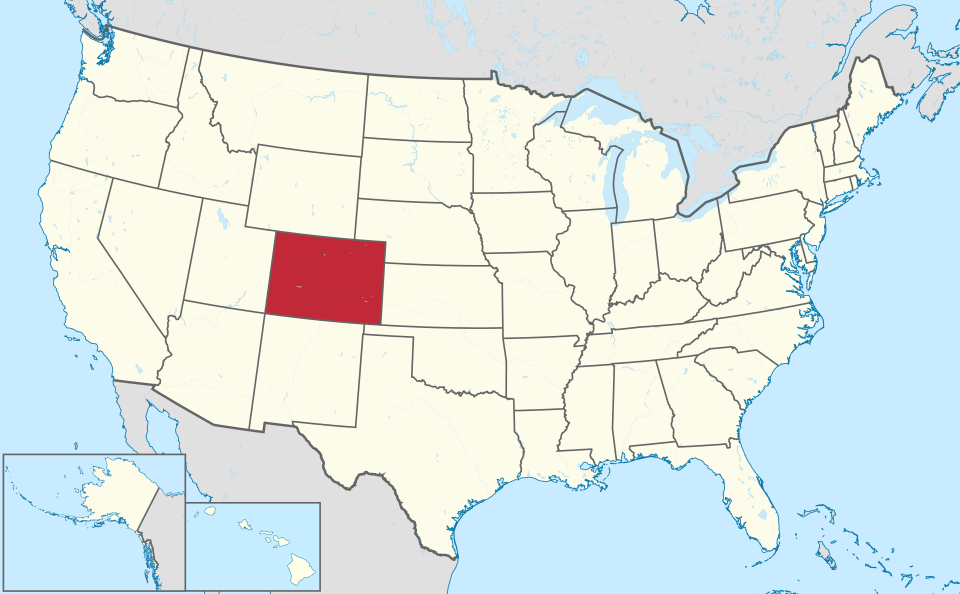
Colorado’s population is estimated at 5.9 million as of 2024, with approximately 880,000 residents aged 65 and older — about 15% of the total population. Known for its active retirement communities and rapidly aging population, Colorado faces a growing wave of cyber-enabled fraud targeting seniors, including phishing emails, tech support scams, Medicare fraud, and investment deception.
Colorado’s largest cities — where senior residents are highly concentrated and elder fraud cases are regularly reported — include:
- Denver (approx. 740,000 people)
- Colorado Springs (approx. 495,000 people)
- Aurora (approx. 400,000 people)
These metro areas combine urban density with a large senior population — and the 2025 data shows the impact. Colorado seniors lost $145 million to fraud, nearly doubling from $75 million in 2024 (+94%). Investment scams surged 162% to $69 million, and government impersonation rose 67%. Colorado ranks #10 nationally in per-capita victim rate.
II. 2025 Victim Report: How Scammers Targeted Colorado’s Seniors
In 2025, Colorado had 4,061 victims aged 60+ who reported losses totaling $144,529,956 — up 30% in victims and 94% in losses compared to 2024 (3,125 victims / $75M).
Loss by Crime Type
| Crime Type | 2025 Loss | 2024 Loss | Change |
| Investment | $69,426,486 | $26,479,901 | +162% |
| Tech Support | $14,510,499 | $13,837,547 | +5% |
| Confidence/Romance | $11,765,682 | $9,679,627 | +22% |
| Lottery/Sweepstakes | $1,261,926 | $1,690,122 | -25% |
| Extortion | $353,772 | $264,664 | +34% |
| Government Impersonation | $7,425,723 | $4,448,272 | +67% |
Elder Fraud Loss Trajectory — Colorado
5-Year Elder Fraud Trend — Colorado (2021—2025)
| Year | Victims (60+) | Total Loss | YoY Change | Nat’l Rank |
| 2021 | 3,220 | $29,400,114 | — | #16 |
| 2022 | 2,925 | $66,826,911 | +127% | #12 |
| 2023 | 2,907 | $54,819,169 | -18% | #18 |
| 2024 | 3,125 | $74,462,501 | +36% | #19 |
| 2025 | 4,061 | $144,529,956 | +94% | #16 |
| 5-Year Total | 16,238 | $370,038,651 | +392% (2021—2025) | — |
Source: FBI Internet Crime Complaint Center (IC3) Annual Reports, 2021—2025. Covers victims aged 60 and older. National rank is by total dollar loss among 52 states/territories. National totals: $1.7B (2021), $3.1B (2022), $3.4B (2023), $4.9B (2024), $7.7B (2025) — $20.8 billion stolen from American seniors over five years.
Top Crime Types Targeting Colorado Seniors (2025 vs. 5-Year)
| Crime Type | 2025 Victims | 2025 Loss | 5-Year Total | Growth (2021—25) |
| Investment | 355 | $69,426,486 | $140,193,359 | +3,042% |
| Tech Support | 475 | $14,510,499 | $57,503,361 | +246% |
| Romance | 187 | $11,765,682 | $49,711,148 | -8% |
| BEC | 117 | $11,124,427 | $39,487,662 | +686% |
| Gov. Impersonation | 208 | $7,425,723 | $15,111,052 | +861% |
| Personal Data Breach | 224 | $7,092,008 | $12,591,798 | +717% |
Top 6 crime types by 2025 losses. Growth calculated from 2021 to 2025. For national crime type trends, see our Crime Type Migration Analysis.
What the data reveals: Colorado’s elder fraud losses nearly doubled in 2025 — from $75 million to $145 million (+94%), with 4,061 seniors victimized (+30%). Investment scams surged 162% to $69 million, now accounting for 48% of all losses. Tech support fraud held nearly flat (+5%), one of the lowest growth rates in this category nationally. Government impersonation rose 67% and extortion rose 34%, though from a small base. Statewide, that comes to roughly one senior victim for every 1,467 Colorado residents.
National context: Colorado ranks #10 in per-capita victim rate (68.17 per 100,000), placing it in the top 20% nationally. The 94% year-over-year loss increase is well above the national average of 57%. Colorado’s combination of an active, tech-engaged senior population and a growing retirement community in areas like Colorado Springs and Fort Collins may contribute to its high exposure to investment and online fraud schemes.
For the full national picture, including how Colorado compares to every other state, visit our national hub page with interactive data and rankings.
III. Emergency & Official Contacts
Local Police Departments – Financial & Elder Crime Support
1. Denver Police Department – Economic Crimes Unit
- Phone: (720) 913-2000 (non-emergency)
- Website: www.denvergov.org
- Tip: Ask for Financial Crimes or Fraud Unit when reporting senior-related scams.
2. Colorado Springs Police Department – Investigations Division
- Phone: (719) 444-7000 (non-emergency)
- Website: www.coloradosprings.gov/police
- Request help with fraud or elder exploitation cases.
3. Aurora Police Department – Fraud Reporting
- Phone: (303) 627-3100 (non-emergency)
- Website: www.auroragov.org
- Tip: Ask for Economic Crimes or Elder Abuse investigations.
FBI & Federal Reporting Resources
FBI Denver Field Office
- Phone: (303) 629-7171
- Website: www.fbi.gov/contact-us/field-offices/denver
Internet Crime Complaint Center (IC3)
- Website: www.ic3.gov
- Use to report phishing, tech support scams, identity theft, and other cyber frauds targeting seniors.
Colorado Attorney General – Elder Fraud & Protection
Colorado Attorney General – Consumer Protection Section
- Consumer Helpline: (800) 222-4444 (Option 2)
- Website: www.stopfraudcolorado.gov
- Provides scam alerts, complaint handling, and legal action resources for elder abuse and fraud.
Statewide Elder Assistance & Medicare Fraud Resources
Colorado Adult Protective Services (APS)
- To report elder abuse, neglect, or exploitation:
Call your local county APS office, or - Statewide info: cdhs.colorado.gov
Colorado Senior Medicare Patrol (SMP)
- Phone: (800) 503-5190
- Website: cdhs.colorado.gov/our-services/older-adult-services/state-unit-on-aging/aging-and-disability-resources-for-coloradosmp
- Helps detect and prevent Medicare fraud, overbilling, and health insurance scams.
Colorado Area Agencies on Aging (AAA) – Senior Support Services
- Statewide Aging Hotline: (844) 265-2372
- Website: www.coloradoaging.org
- Connects older adults with benefits, legal aid, housing support, and scam prevention.
Prevent Fraud with Action & Awareness
- Colorado seniors lose millions of dollars annually to fraud — but most scams can be stopped early.
- Save these contacts and share them with family, caregivers, and your community.
- Visit our Education Center for scam prevention guides, red flag checklists, and reporting tools.
- If it feels suspicious — trust your instincts and report it.
Recent Colorado scam news
Recent news coverage of scams affecting Colorado seniors, updated from our alerts desk. Each item links to the original outlet; victims and defendants are kept anonymous.
Colorado sheriff warns of a traveling paving crew scamming elderly homeowners
The Baca County, Colorado Sheriff's Office is warning residents, especially elderly homeowners, about a traveling crew going door to door in southeastern Colorado offering to sell gravel or road base, supposedly left over from a wind farm project. After a resident signs a contract, the crew instead shows up with asphalt and begins paving without permission, then pressures and threatens the homeowner into paying for work they never agreed to. A key red flag: the crew could not provide a real company name when asked. The advice: verify the identity and company of anyone offering home or driveway services before signing anything or making a payment, and if you already paid, contact your bank to stop the check and report the crew to your local sheriff's office.
Read at Kiowa County Press →A Colorado law letting banks pause suspicious transactions to protect seniors has now taken effect
A Colorado law allowing banks and other financial institutions to temporarily halt a suspicious transaction and notify authorities before money is lost to a scam took effect this month. The bipartisan bill passed the legislature by a wide margin earlier this year. One of its sponsors said the goal is simple: stopping and preventing financial exploitation before a senior or vulnerable adult loses their life savings. Scammers often pose as law enforcement, a troubled family member, a romantic interest, or a bank official to create fear, secrecy, and urgency, and Colorado now joins roughly two dozen other states with similar laws on the books. The takeaway for families: ask your own bank or credit union whether it can place a hold on a transaction if you or a loved one ever reports a suspected scam.
Read at Colorado Public Radio (CPR News) →'Free Medicare grocery card' ads target seniors, but are they worth it?
An investigation finds 'free Medicare grocery card' ads target seniors and may push them into unneeded plans.
Read at Denver7 →Older Coloradans get backup fending off scammers
Colorado passed a law letting banks pause suspicious transactions to protect adults 70 and older from scams.
Read at Kiowa County Press →State lawmakers bring bill to protect older Coloradans from financial scams costing millions
Colorado lawmakers propose new protections after FBI data shows record elder fraud and a $48,000 victim loss.
Read at CBS News →Classes help older Coloradans avoid scam artists and their tricks
A Denver class is helping older Coloradans learn to recognize and avoid scams.
Read at Yahoo →IV. Learn More: Colorado Scam Prevention Guides
Explore Colorado-specific guides on the most common scams targeting seniors in your state:
- Tech Support Scams in Colorado — Learn to recognize fake pop-ups, phone calls, and remote access schemes.
- Investment Scams in Colorado — Protect your retirement savings from fraudulent advisors and crypto scams.
- Romance Scams in Colorado — Spot the warning signs of fake online relationships designed to steal money.
- Government Impersonation Scams in Colorado — Know what real government agencies will never ask you to do.
- How to Report Scams in Colorado — Step-by-step guide to reporting fraud and starting recovery.
For national-level data on each scam type, see our Investment, Tech Support, Romance, and Government Impersonation national guides.
See how Colorado compares. Curious where Colorado ranks in the national picture? Stolen Trust, our 2026 special study, ranks every state and territory using five years of FBI data and lays out one practical plan to fix elder fraud.