

Senior Scam Prevention and Fraud Resources in Iowa
Iowa seniors reported $44 million in elder fraud losses to the FBI in 2025, with 1,202 victims aged 60 and older. This page provides Iowa-specific scam prevention resources, official reporting contacts, and five years of FBI elder fraud data for the state.
Already been scammed? Read our First 24 Hours Emergency Guide for critical steps to take immediately.
I. Overview: Iowa’s Senior Population & Key Cities
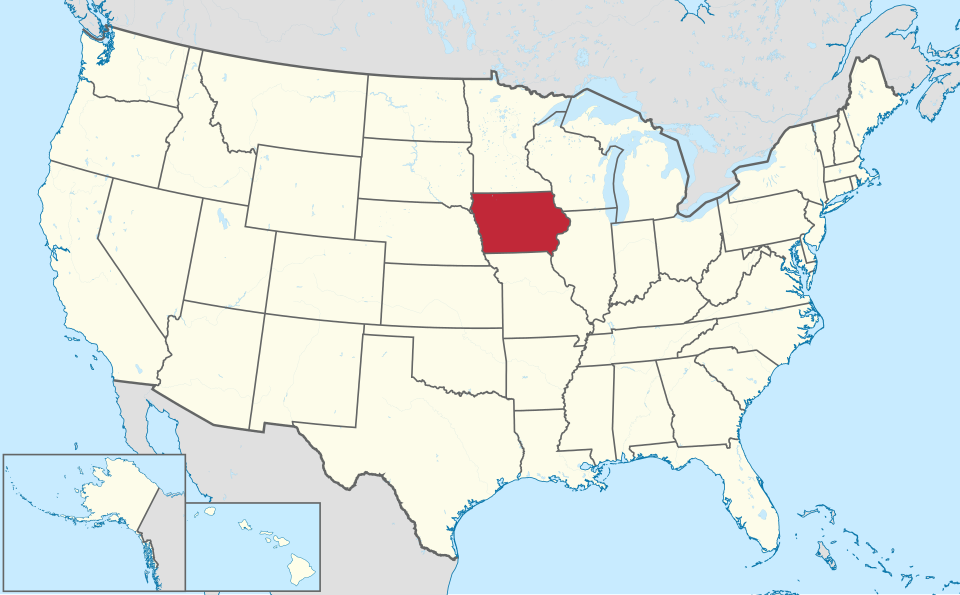
As of 2024, Iowa has a population of approximately 3.2 million, with over 575,000 residents aged 65 and older , accounting for roughly 18% of the total population. This high proportion of seniors, many of whom live in small towns or rural areas, makes Iowa a frequent target for scammers who use Medicare fraud, romance scams, sweepstakes tricks, tech support hoaxes, and government impersonation.
Top cities where older adults frequently encounter fraud include:
- Des Moines (approx. 215,000 people)
- Cedar Rapids (approx. 140,000 people)
- Davenport (approx. 100,000 people)
Awareness and quick reporting are essential — and the 2025 data shows why. Iowa seniors lost $44 million to fraud. Investment scams led at $13 million, while tech support fraud nearly doubled (+98%). Government impersonation dropped 48%, but lottery/sweepstakes rose 73%.
II. 2025 Victim Report: How Scammers Targeted Iowa’s Seniors
In 2025, Iowa had 1,202 victims aged 60+ who reported losses totaling $44,136,901 — up 49% in victims and 22% in losses compared to 2024 (805 victims / $36M).
Loss by Crime Type
| Crime Type | 2025 Loss | 2024 Loss | Change |
| Investment | $12,941,508 | $10,361,761 | +25% |
| Tech Support | $5,965,199 | $3,019,088 | +98% |
| Romance | $6,237,441 | $5,192,901 | +20% |
| Lottery/Sweepstakes | $1,195,598 | $692,250 | +73% |
| Extortion | $182,171 | $78,865 | +131% |
| Government Impersonation | $431,400 | $822,716 | -48% |
Elder Fraud Loss Trajectory — Iowa
5-Year Elder Fraud Trend — Iowa (2021—2025)
| Year | Victims (60+) | Total Loss | YoY Change | Nat’l Rank |
| 2021 | 473 | $8,474,867 | — | #32 |
| 2022 | 557 | $12,065,977 | +42% | #41 |
| 2023 | 674 | $16,434,421 | +36% | #34 |
| 2024 | 805 | $36,140,655 | +120% | #30 |
| 2025 | 1,202 | $44,136,901 | +22% | #34 |
| 5-Year Total | 3,711 | $117,252,821 | +421% (2021—2025) | — |
Source: FBI Internet Crime Complaint Center (IC3) Annual Reports, 2021—2025. Covers victims aged 60 and older. National rank is by total dollar loss among 52 states/territories. National totals: $1.7B (2021), $3.1B (2022), $3.4B (2023), $4.9B (2024), $7.7B (2025) — $20.8 billion stolen from American seniors over five years.
Top Crime Types Targeting Iowa Seniors (2025 vs. 5-Year)
| Crime Type | 2025 Victims | 2025 Loss | 5-Year Total | Growth (2021—25) |
| Investment | 108 | $12,941,508 | $26,667,932 | +2,251% |
| Romance | 91 | $6,237,441 | $17,488,813 | +207% |
| Tech Support | 165 | $5,965,199 | $20,896,529 | +829% |
| BEC | 31 | $2,276,324 | $12,735,087 | -49% |
| Lottery/Sweepstakes | 43 | $1,195,598 | $2,724,914 | +317% |
| Personal Data Breach | 63 | $671,729 | $8,835,747 | +1,234% |
Top 6 crime types by 2025 losses. Growth calculated from 2021 to 2025. For national crime type trends, see our Crime Type Migration Analysis.
What the data reveals: Iowa’s elder fraud losses reached $44 million in 2025, with 1,202 seniors victimized. Investment scams grew a moderate 25% to $13 million. Tech support fraud nearly doubled (+98%) to $6 million, and romance scams rose 20%. Government impersonation dropped 48% — a significant decline. Lottery/sweepstakes climbed 73% from $692K to $1.2 million. Statewide, that comes to roughly one senior victim for every 2,697 Iowa residents.
National context: Iowa ranks #49 in per-capita victim rate (37.08 per 100,000) — one of the lowest rates in the country. Iowa seniors are less likely to report being victimized than those in 48 other states. The government impersonation decline (-48%) is encouraging, though the 73% rise in lottery and sweepstakes losses is worth watching.
For the full national picture, including how Iowa compares to every other state, visit our national hub page with interactive data and rankings.
III. Emergency & Official Contacts
Local Police Departments – Elder Fraud & Financial Crimes
1. Des Moines Police Department – Financial Crimes
- Phone: (515) 283-4811 (non-emergency)
- Website: www.dsm.city
- Request assistance from the Financial Crimes or Fraud Division.
2. Cedar Rapids Police Department – Investigations
- Phone: (319) 286-5491 (non-emergency)
- Website: www.cedar-rapids.org
- Report scams, identity theft, or suspected elder abuse.
3. Davenport Police Department – Criminal Investigations
- Phone: (563) 326-7979 (non-emergency)
- Website: www.davenportiowa.com
- Contact the department to file reports for fraud or financial exploitation.
FBI & Federal Scam Reporting
FBI Omaha Field Office (serving Iowa)
- Phone: (402) 493-8688
- Website: www.fbi.gov/contact-us/field-offices/omaha
Internet Crime Complaint Center (IC3)
- Website: www.ic3.gov
- Use this site to report phishing, romance scams, fake tech support, and other digital fraud.
Iowa Attorney General – Elder Fraud & Consumer Protection
Office of the Iowa Attorney General – Consumer Protection Division
- Consumer Fraud Hotline: (888) 777-4590
- Website: www.iowaattorneygeneral.gov
- Offers scam alerts, complaint forms, and guidance on fraud affecting older Iowans.
Statewide Elder Services & Medicare Fraud Assistance
Iowa Adult Protective Services (APS)
- To report elder abuse, neglect, or financial exploitation:
APS Reporting Hotline: (800) 362-2178 - Website: dhs.iowa.gov
Iowa Senior Medicare Patrol (SMP)
- Phone: (800) 351-4664
- Website: shiip.iowa.gov
- Helps seniors detect and report Medicare fraud, billing errors, and ID theft.
Iowa Department on Aging
- Info Line: (800) 972-2017
- Website: shiip.iowa.gov
- Offers legal help, scam prevention, caregiver resources, and public education for seniors.
Slow Down, Verify, Report.
- Iowa seniors lose millions of dollars every year to avoidable scams, often because they feel too embarrassed to report it.
- You are not alone. These official contacts are here to protect and support you.
- Visit our Education Center to see common scam examples, red flags to watch for, and how to file a report.
- Never give out personal info to someone who contacts you first. Stop, hang up, and talk to someone you trust.

Recent Iowa scam news
Recent news coverage of scams affecting Iowa seniors, updated from our alerts desk. Each item links to the original outlet; victims and defendants are kept anonymous.
Western Iowa station warns seniors and veterans of a summer wave of scams
A western Iowa news station is urging older adults and veterans to watch for scams that pick up over the summer, from online-dating and sweepstakes schemes that always end with a request for money to card skimmers at gas pumps, fake utility-bill threats, and phony government-benefit offers aimed at veterans. The common thread is pressure to act fast or to pay in an unusual way. The advice is to slow down and confirm any bill, prize, or benefit by contacting the company or agency through a number you look up yourself.
Read at Western Iowa Today →Seniors ask public to help raise awareness of scams
Local seniors are asking neighbors and families to help spread the word about scams targeting older adults.
Read at The Bloomfield Democrat →ICPD, IC Senior Center partner for scam awareness program
Iowa City police and the senior center taught older adults the types of scams and warning signs to watch for.
Read at The Daily Iowan →Iowa's Attorney General warns of rising imposter scams
Iowa's top prosecutor warns residents that scammers posing as agencies and companies are on the rise.
Read at KWWL →Iowa State Extension to host senior fraud prevention program March 5 in Carroll
Iowa State Extension will hold a free program in Carroll to help older adults protect savings from fraud.
Read at Carroll Times Herald →Experts Warn Romance Scams Spike Around Valentine's Day, Targeting Older Adults Online
Iowa experts warn romance scams rise around Valentine's Day, often targeting lonely older adults seeking connection.
Read at CBS 2 Iowa →IV. Learn More: Iowa Scam Prevention Guides
Explore Iowa-specific guides on the most common scams targeting seniors in your state:
- Tech Support Scams in Iowa — Learn to recognize fake pop-ups, phone calls, and remote access schemes.
- Investment Scams in Iowa — Protect your retirement savings from fraudulent advisors and crypto scams.
- Romance Scams in Iowa — Spot the warning signs of fake online relationships designed to steal money.
- Government Impersonation Scams in Iowa — Know what real government agencies will never ask you to do.
- How to Report Scams in Iowa — Step-by-step guide to reporting fraud and starting recovery.
For national-level data on each scam type, see our Investment, Tech Support, Romance, and Government Impersonation national guides.
See how Iowa compares. Curious where Iowa ranks in the national picture? Stolen Trust, our 2026 special study, ranks every state and territory using five years of FBI data and lays out one practical plan to fix elder fraud.