

Senior Scam Prevention and Fraud Resources in Wyoming
Wyoming seniors reported $6 million in elder fraud losses to the FBI in 2025, with 397 victims aged 60 and older. This page provides Wyoming-specific scam prevention resources, official reporting contacts, and five years of FBI elder fraud data for the state.
Already been scammed? Read our First 24 Hours Emergency Guide for critical steps to take immediately.
I. Overview: Wyoming’s Senior Population and Key Cities
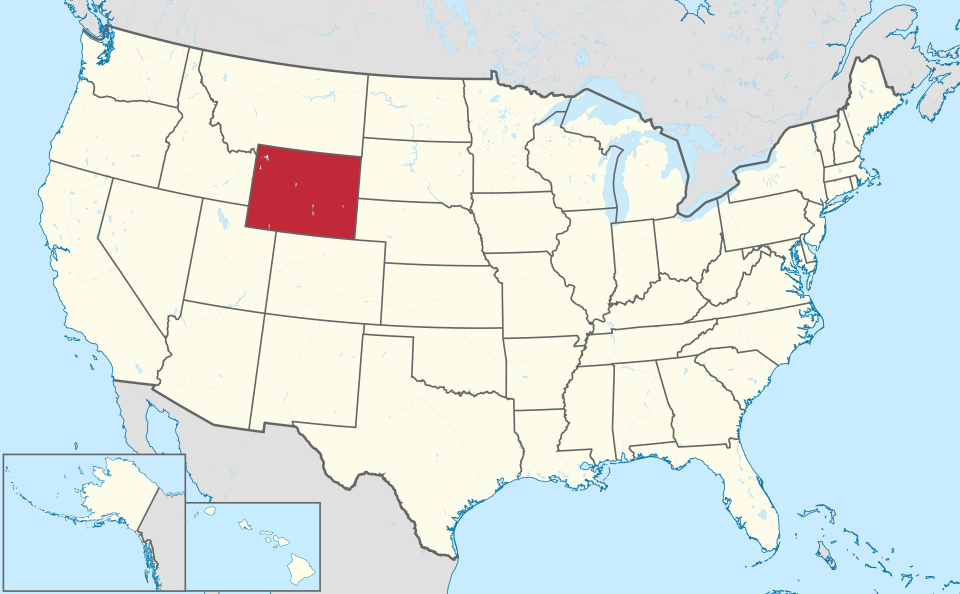
As of 2024, Wyoming has a population of approximately 580,000, with around 106,000 residents aged 65 and older, making up 18.3% of the state’s total population. Wyoming’s wide rural landscape, low population density, and high rate of seniors living alone or in remote areas can make older adults particularly vulnerable to scams , especially those using phone, mail, and internet deception.
Wyoming presents a mixed picture in 2025: total losses were $5.9 million (#51 nationally), yet the state has the #15 highest per-capita victim rate. Two major categories decreased: investment scams fell 55% and romance scams dropped 53%. Meanwhile, lottery/sweepstakes surged 647% and government impersonation rose 212%. Rural isolation can delay detection, making awareness crucial.
The largest cities where senior scams are most frequently reported include:
- Cheyenne (approx. 65,000 people)
- Casper (approx. 58,000 people)
- Laramie (approx. 32,000 people)
II. 2025 Victim Report: How Scammers Targeted Wyoming’s Seniors
In 2025, Wyoming had 397 victims aged 60+ who reported losses totaling $5,923,260 — up 49% in victims but down 32% in losses compared to 2024 (267 victims / $8.6M).
Loss by Crime Type
| Crime Type | 2025 Loss | 2024 Loss | Change |
| Investment | $2,072,493 | $4,609,991 | -55% |
| Tech Support | $1,030,220 | $799,175 | +29% |
| Romance | $334,294 | $708,915 | -53% |
| Lottery/Sweepstakes | $664,010 | $88,900 | +647% |
| Extortion | $15,461 | $31,459 | -51% |
| Government Impersonation | $122,400 | $39,270 | +212% |
Elder Fraud Loss Trajectory — Wyoming
5-Year Elder Fraud Trend — Wyoming (2021—2025)
| Year | Victims (60+) | Total Loss | YoY Change | Nat’l Rank |
| 2021 | 181 | $4,498,432 | — | #40 |
| 2022 | 209 | $5,265,283 | +17% | #48 |
| 2023 | 190 | $5,689,358 | +8% | #48 |
| 2024 | 267 | $8,648,675 | +52% | #47 |
| 2025 | 397 | $5,923,260 | -32% | #51 |
| 5-Year Total | 1,244 | $30,025,008 | +32% (2021—2025) | — |
Source: FBI Internet Crime Complaint Center (IC3) Annual Reports, 2021—2025. Covers victims aged 60 and older. National rank is by total dollar loss among 52 states/territories. National totals: $1.7B (2021), $3.1B (2022), $3.4B (2023), $4.9B (2024), $7.7B (2025) — $20.8 billion stolen from American seniors over five years.
Top Crime Types Targeting Wyoming Seniors (2025 vs. 5-Year)
| Crime Type | 2025 Victims | 2025 Loss | 5-Year Total | Growth (2021—25) |
| Investment | 22 | $2,072,493 | $12,539,312 | +43% |
| Tech Support | 54 | $1,030,220 | $4,326,155 | +697% |
| Lottery/Sweepstakes | 11 | $664,010 | $1,728,087 | +2,732% |
| Personal Data Breach | 31 | $593,812 | $697,033 | +4,433% |
| Romance | 26 | $334,294 | $2,958,728 | -78% |
| BEC | 10 | $294,011 | $2,443,141 | -72% |
Top 6 crime types by 2025 losses. Growth calculated from 2021 to 2025. For national crime type trends, see our Crime Type Migration Analysis.
What the data reveals: Wyoming’s elder fraud losses totaled $5.9 million in 2025, with 397 victims — up 49% in victim count but down 32% in losses from 2024. Two major categories decreased: investment scams fell 55% (from $4.6 million to $2.1 million) and romance scams dropped 53%. Lottery/sweepstakes surged 647% from $88.9K to $664K, and government impersonation rose 212%. Statewide, that comes to roughly one senior victim for every 1,480 Wyoming residents.
National context: Wyoming ranks #51 in total losses — second to last — but #15 in per-capita victim rate (67.56 per 100,000). This is one of the starkest contrasts between total and per-capita rankings of any state: Wyoming’s small population means that even modest victim counts translate to a high per-person rate. The fact that losses actually decreased 32% while victims increased 49% suggests scammers are extracting less money per incident, possibly because awareness campaigns are helping victims recognize fraud sooner.
For the full national picture, including how Wyoming compares to every other state, visit our national hub page with interactive data and rankings.
III. Emergency and Official Contacts
Local Police Departments – Elder Fraud and Financial Crimes
1. Cheyenne Police Department – Investigations Division
- Phone: (307) 637-6525 (non-emergency)
- Website: cheyennepd.org
- Handles elder fraud, identity theft, and scam complaints.
2. Casper Police Department – Fraud Reporting
- Phone: (307) 235-8278 (non-emergency)
- Website: casperwy.gov
- Responds to local reports of scams and financial exploitation.
3. Laramie Police Department – General Inquiries
- Phone: (307) 721-2526
- Website: cityoflaramie.org
- Contact to report suspicious financial activity and elder abuse.
FBI and Federal Scam Reporting
FBI Denver Field Office (covers Wyoming)
- Phone: (303) 629-7171
- Website: fbi.gov/contact-us/field-offices/denver
Internet Crime Complaint Center (IC3)
- Website: www.ic3.gov
- Use for reporting phishing, tech scams, financial fraud, and online threats.
Wyoming Attorney General – Consumer Protection
Consumer Protection Unit – Wyoming Attorney General’s Office
- Consumer Hotline: (307) 777-6397
- Website: ag.wyo.gov/law-office-division/consumer-protection-and-antitrust-unit
- Provides investigation and support for senior fraud, deceptive business practices, and scam recovery.
Statewide Elder Services and Medicare Fraud Support
Wyoming Adult Protective Services (APS)
- Report Abuse: (800) 457-3659
- Website: health.wyo.gov
- Investigates elder abuse, neglect, and financial exploitation statewide.
Wyoming Senior Medicare Patrol (SMP)
- Phone: (800) 856-4398
- Website: wysmp.org
- Assists with Medicare billing scams, fraud alerts, and education.
Wyoming Department of Health – Aging Division
- General Info: (800) 442-2766
- Website: dfs.wyo.gov/services/elderly-and-disabled/adult-protection-servicesaging
- Offers elder rights advocacy, caregiver resources, legal support, and fraud prevention.
Know the Signs. Take Action. Help Others.
- Wyoming seniors lose millions annually to fraud schemes, many of which start with a simple phone call or email.
- Always verify requests for money, personal data, or urgent payments , and talk to someone you trust before acting.
- Visit our Education Center for scam alerts, step-by-step response guides, and printable resources.
- Trust your instincts. If something feels wrong, report it right away. You’re not alone.
Recent Wyoming scam news
Recent news coverage of scams affecting Wyoming seniors, updated from our alerts desk. Each item links to the original outlet; victims and defendants are kept anonymous.
Email scam hits Johnson County organizations
A Wyoming senior center and other local groups were hit by a fake proposal email that spread to their contacts.
Read at Buffalo Bulletin →$43 million lost to scammers in Wyoming in 2024
New figures show Wyoming residents lost about $43 million to scams in 2024, with older adults among the hardest hit.
Read at Buffalo Bulletin →A columnist's close call: his mother nearly fell for a fake Microsoft pop-up scam
A longtime syndicated columnist writes that he arrived at his 89-year-old mother's home just in time: her computer screen had locked with a fake warning claiming she had been hacked and telling her to call "Microsoft," and she was already on the phone with a fake technician who had talked her into downloading remote-access software. He disconnected the computer before the software could activate, heading off a scam that, left unchecked, often escalates further: once scammers can see a victim's files and accounts, they frequently follow up posing as a bank fraud investigator and coach the target to wire money, buy cryptocurrency, or read out gift card codes. He notes that AI tools are now making these calls and messages even more convincing. The safe move for any sudden "your computer is infected" pop-up: slow down, do not call the number on the screen, never install remote-access software for someone who contacted you first, and simply restart or shut down the computer instead.
Read at Southeast Missourian →What banks can actually do to freeze a suspicious transfer from a senior's account
A common claim that banks now have a blanket legal right to freeze any senior's bank transfer for 14 business days is misleading; no such universal rule exists. What does exist is more limited and specific. FINRA Rule 2165 lets brokerage firms, not regular banks, place a temporary hold of 15 to 25 business days, with a possible 30-business-day extension, on a transaction when they reasonably believe a customer age 65 or older is being financially exploited, including through romance scams or fraudulent investment pitches. Separately, newer rules around ACH transfers let financial institutions use risk-based monitoring, flagging unusual transaction amounts, suspicious patterns, or activity that doesn't match a customer's normal history, and various state laws give banks legal protection for acting in good faith when they pause a suspicious transfer. None of this requires a bank to use AI or to automatically block transfers over a certain amount; it depends on the institution and the specific red flags involved. The practical takeaway for families: ask your parent's bank or brokerage directly what exploitation-related hold policies and trusted-contact options it already has in place, rather than assuming a single universal rule protects every account.
Read at Saving Advice →AI is making scams 'indistinguishable' from real banking sites, experts warn
Technology experts say AI has made scams targeting older adults qualitatively harder to detect, with fake banking sites and deepfake videos generated from photos pulled off social media now looking nearly identical to the real thing. A recent survey found that only 7 percent of older adults feel confident protecting their personal information online, and 70 percent said they lack confidence about what happens when they share information with AI chatbots. Experts recommend treating any sensitive financial or health information you type into an AI chatbot like cash: assume it could be exposed. Red flags to watch for include messages that create urgency, such as being told to send money to your bank account within the hour, since that pressure is designed to short-circuit careful thinking. Other recommended defenses: use strong, unique passwords and a password manager, turn on multifactor authentication wherever it's offered, and slow down, verify independently, and think twice before clicking a link or acting on an urgent message.
Read at WZMQ 19 →BBB warns of fall home-repair scams that specifically target older homeowners
The Better Business Bureau says fall is a prime season for home-improvement scams, as door-to-door crews offer fake or unnecessary roof, chimney, gutter, and furnace repairs while the weather turns cooler. Home-improvement scams rank among the riskiest categories tracked by the BBB, with a median reported loss of $1,405. Scammers often show up unannounced, claim to have leftover material from a nearby job, quote an unbelievably low price, accept only cash or check, and push to start work immediately. Older homeowners are a particular target for gutter-cleaning scams, since scammers count on them being less able to check the work themselves, and for fake "free energy audit" offers that claim utility-company affiliation before pushing costly, unnecessary upgrades. The BBB's advice: never hire someone who simply shows up at your door, verify any contractor through BBB.org or similar resources before letting them inspect or work on your home, get everything in writing, and never pay the full amount upfront.
Read at Better Business Bureau (via Quad-City Times) →IV. Learn More: Wyoming Scam Prevention Guides
Explore Wyoming-specific guides on the most common scams targeting seniors in your state:
- Tech Support Scams in Wyoming — Learn to recognize fake pop-ups, phone calls, and remote access schemes.
- Investment Scams in Wyoming — Protect your retirement savings from fraudulent advisors and crypto scams.
- Romance Scams in Wyoming — Spot the warning signs of fake online relationships designed to steal money.
- Government Impersonation Scams in Wyoming — Know what real government agencies will never ask you to do.
- How to Report Scams in Wyoming — Step-by-step guide to reporting fraud and starting recovery.
For national-level data on each scam type, see our Investment, Tech Support, Romance, and Government Impersonation national guides.
See how Wyoming compares. Curious where Wyoming ranks in the national picture? Stolen Trust, our 2026 special study, ranks every state and territory using five years of FBI data and lays out one practical plan to fix elder fraud.