

Senior Scam Prevention & Fraud Resources in California
California seniors reported $1.40 billion in elder fraud losses to the FBI in 2025, with 22,157 victims aged 60 and older. This page provides California-specific scam prevention resources, official reporting contacts, and five years of FBI elder fraud data for the state.
Already been scammed? Read our First 24 Hours Emergency Guide for critical steps to take immediately.
I. Overview: California’s Elder Population and Key Cities
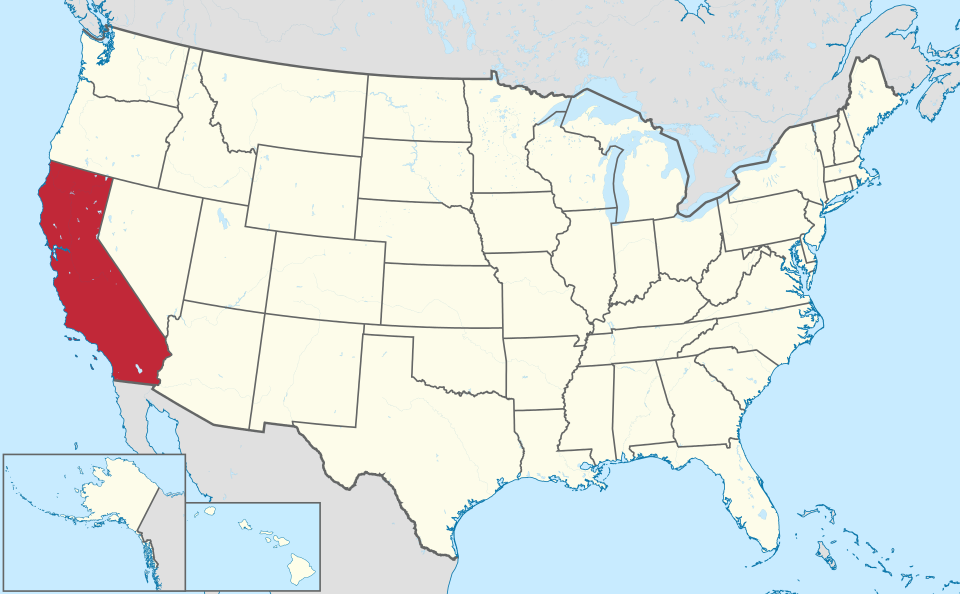
California is the most populous state in the United States, with an estimated population of 38.9 million as of 2024. Among these, approximately 6.6 million residents are aged 65 and older, representing around 17% of the total population. As the senior population grows rapidly due to demographic trends and longer lifespans, protecting older Californians from cybercrime and fraud becomes increasingly urgent.
The top three cities in California by population — and among the most affected by elder-targeted scams — are:
- Los Angeles (approx. 3.8 million people)
- San Diego (approx. 1.4 million people)
- San Jose (approx. 1.0 million people)
These urban centers not only have dense populations but also large communities of older adults, making them critical hubs for fraud prevention. In 2025, investment scams were the dominant threat, costing California seniors $679 million — nearly half of the state’s total losses. Tech support fraud ($170 million) and government impersonation ($119 million) followed, with most major crime categories showing significant year-over-year growth.
II. 2025 Victim Report: How Scammers Targeted California’s Seniors
In 2025, California had 22,157 victims aged 60+ who reported losses totaling $1,403,975,911 — up 22% in victims and 68% in losses compared to 2024 (18,119 victims / $834M).
Source: FBI IC3 2025 Annual Report. California ranked #1 nationally for elder fraud losses with $1.4 billion — nearly double the #2 state (Florida, $710M). View national statistics.
Loss by Crime Type (2025 vs 2024)
| Crime Type | 2025 Loss | 2024 Loss | Change |
| Investment | $678,989,713 | $350,458,561 | +94% |
| Tech Support | $169,531,132 | $191,067,028 | -11% |
| Government Impersonation | $118,886,430 | $43,867,529 | +171% |
| Confidence/Romance | $100,861,373 | $50,734,540 | +99% |
| Lottery/Sweepstakes | $25,968,437 | $15,723,741 | +65% |
| Extortion | $7,345,315 | $5,544,238 | +32% |
Elder Fraud Loss Trajectory — California
5-Year Elder Fraud Trend — California (2021—2025)
| Year | Victims (60+) | Total Loss | YoY Change | Nat’l Rank |
| 2021 | 10,913 | $319,971,186 | — | #1 |
| 2022 | 11,517 | $624,509,520 | +95% | #1 |
| 2023 | 11,620 | $644,353,620 | +3% | #1 |
| 2024 | 18,119 | $834,135,844 | +29% | #1 |
| 2025 | 22,157 | $1,403,975,911 | +68% | #1 |
| 5-Year Total | 74,326 | $3,826,946,081 | +339% (2021—2025) | — |
Source: FBI Internet Crime Complaint Center (IC3) Annual Reports, 2021—2025. Covers victims aged 60 and older. National rank is by total dollar loss among 52 states/territories. National totals: $1.7B (2021), $3.1B (2022), $3.4B (2023), $4.9B (2024), $7.7B (2025) — $20.8 billion stolen from American seniors over five years.
Top Crime Types Targeting California Seniors (2025 vs. 5-Year)
| Crime Type | 2025 Victims | 2025 Loss | 5-Year Total | Growth (2021—25) |
| Investment | 2,561 | $678,989,713 | $1,631,020,019 | +1,090% |
| Tech Support | 2,783 | $169,531,132 | $598,146,414 | +351% |
| BEC | 660 | $124,913,394 | $410,046,943 | +54% |
| Gov. Impersonation | 1,470 | $118,886,430 | $238,517,587 | +660% |
| Romance | 1,173 | $100,861,373 | $357,613,154 | +37% |
| Personal Data Breach | 1,496 | $50,590,818 | $170,697,596 | +100% |
Top 6 crime types by 2025 losses. Growth calculated from 2021 to 2025. For national crime type trends, see our Crime Type Migration Analysis.
What the data reveals: California leads the nation in elder fraud losses by a wide margin — $1.4 billion in 2025, up 68% from $834 million in 2024. That is more than the next two states (Florida and Texas) combined. Over 22,000 California seniors were victimized, with investment scams alone accounting for $679 million. Statewide, that comes to roughly one senior victim for every 1,780 California residents.
National context: California ranks #1 in total losses but #28 out of 51 states in per-capita victim rate (56.19 per 100,000). This means that while California’s sheer size drives the highest dollar losses in the country, residents in states like Arizona, Nevada, and Alaska are actually more likely to be targeted on a per-person basis. California’s 68% year-over-year increase is above the national average of 57%.
For the full national picture, including how California compares to every other state, visit our national hub page with interactive data and rankings.
III. Emergency & Official Contacts
Local Police Departments – Elder Fraud Contact Points
1. Los Angeles Police Department (LAPD) – Elder Fraud Unit
- Phone: (877) 275-5273 (non-emergency, 24/7)
- Website: www.lapdonline.org
- Tip: Ask for the Financial Crimes Division or Elder Abuse Unit.
2. San Diego Police Department – Elder Abuse Unit
- Phone: (619) 531-2000 (non-emergency)
- Website: www.sandiego.gov/police
3. San Jose Police Department – Financial Crimes Unit
- Phone: (408) 277-8900 (non-emergency)
- Website: www.sjpd.org
- Direct contact: Ask for “Elder Financial Abuse Investigator” through main line.
FBI & Federal Resources
FBI Los Angeles Field Office (for LA and surrounding areas)
- Phone: (310) 477-6565
- Website: www.fbi.gov/contact-us/field-offices/losangeles
FBI San Diego Field Office
- Phone: (858) 320-1800
- Website: www.fbi.gov/contact-us/field-offices/sandiego
Report Online Scams via IC3 (Internet Crime Complaint Center)
- Website: www.ic3.gov
- Tip: File complaints on behalf of a loved one if needed.
State Attorney General – Elder Abuse & Fraud Protection
California Department of Justice – Elder Abuse & Fraud Division
- Consumer Protection Hotline: (800) 952-5225
- Website: oag.ca.gov/dmfea/elder
This office offers:
- Legal guidance for financial abuse
- Investigative coordination with local law enforcement
- Victim support services for older adults
Other Useful Statewide Elder Assistance Lines
California Adult Protective Services (APS) 24/7 Hotline
- Phone: (833) 401-0832
- Prompt: Enter your ZIP code to be routed to local APS
Los Angeles County Elder Fraud Hotline (DA’s Office)
- Phone: (213) 257-2304
- Website: da.lacounty.gov
San Diego County Aging & Independence Services (AIS)
- Elder Abuse Reporting Line: (800) 510-2020
California Senior Medicare Patrol (SMP) – Fraud Reporting
- Phone: (855) 613-7080
- Website: www.cahealthadvocates.org
What You Can Do
· Save these contacts somewhere safe.
· Call if you see any unusual financial activity, strange calls, or suspicious online behavior.
· Help a friend or family member report scams, action stops crime.
· Visit our Fraud Education Center for red flags, prevention tips, and reporting guides.

Recent California scam news
Recent news coverage of scams affecting California seniors, updated from our alerts desk. Each item links to the original outlet; victims and defendants are kept anonymous.
Ventura County, California resident loses $20,000 after a fake credit union fraud alert; DA lists the red flags
A Ventura County, California resident lost $20,000 after a caller claimed a fraudulent $25,000 charge had been made on his credit union account to purchase illegal material overseas, and that he needed to withdraw money immediately to protect it. He withdrew $20,000 in cash from two branches and bought $5,000 in gift cards, coached the entire time on what to tell tellers to get around the credit union's fraud checks. The Ventura County District Attorney's Office lists the common red flags seen across these scams: urgency ("you must act right now"), secrecy ("don't tell anyone"), fear (threats of arrest, lawsuits, or financial loss), unusual payment methods (gift cards, cryptocurrency, gold, wire transfers, or cash pickup), and isolation (being told not to contact your bank, family, or law enforcement). If you get a call like this, hang up, and call your bank or credit union back using the number on your card or statement, not one given to you by the caller.
Read at CBS Los Angeles →Elderly San Francisco woman loses $14,000 in a wave of Bay Area mail theft and check-washing fraud
An elderly San Francisco resident lost $14,000 after thieves stole checks from her mail and used a process called "check washing" to erase and rewrite them for far larger amounts. One $118 check to a city rent board was altered to $4,000, and property tax payments intended for two counties were also intercepted and rewritten before being deposited into an account the thieves controlled. U.S. postal inspectors say mail theft has surged since 2020. After the victim's family pushed for help, her bank refunded the remaining balance. Postal and banking experts recommend writing checks with an indelible gel pen, monitoring your accounts regularly for unfamiliar deposits, hand-delivering checks when possible, mailing anything sensitive from inside a post office rather than a mailbox, and paying bills online where you can instead of by mail.
Read at ABC7 News (KGO) →Healthy California seniors are being secretly enrolled in fake hospices, losing their real Medicare care
Federal officials estimate Los Angeles County alone accounts for $3.5 billion in fraudulent hospice claims, part of a wider scheme in which fraudsters created fake hospice companies, used stolen identities, and enrolled healthy people in end-of-life hospice care without their knowledge in order to bill Medicare. Because hospice is meant for the terminally ill, Medicare generally stops paying for regular medical treatment once someone is enrolled, so victims can lose access to real care they still need. One California woman in her 70s discovered she had been enrolled after her own doctor's routine claims started getting denied; it took Medicare eight months to recognize her as a fraud victim, and months more before she could see her doctors normally again. In another case described, a woman who was falsely enrolled could not get an approved cataract surgery and died a few months later in a nursing facility. The takeaway for anyone on Medicare: review your Medicare Summary Notice regularly for any provider, service, or enrollment you do not recognize, including hospice, and if something looks wrong, contact Medicare directly right away rather than waiting.
Read at New York Post (AP) →San Diego County sheriff warns of a bank distraction scam that swaps out your debit card
San Diego County sheriff's deputies are warning about a scheme in which two people work together at a bank or ATM: one distracts a customer during a routine transaction, perhaps by offering to help or asking a question, while switching out the customer's debit card for a similar-looking one that is not theirs. The customer walks away without realizing their real card is gone, and the scammers use it to make withdrawals and purchases before it can be replaced. Documented losses in one cluster of cases ranged from $100 to more than $2,700 per person, with similar thefts reported at bank branches across San Diego, Chula Vista, Carlsbad, and beyond. Deputies say the case included at least one confirmed instance of elder financial fraud. The advice: keep your eyes on your card and your transaction the entire time you are at an ATM or bank counter, politely decline help from strangers, and check that the card you are handed back is actually yours before you walk away.
Read at San Diego Union-Tribune →A Redwood City, California woman's suspicion stopped a scam before she lost a cent
A Redwood City, California woman received fake messages claiming to be from Apple's fraud alert system, warning of unauthorized charges on her bank account, and was told to withdraw cash and have a courier pick it up from her home. Instead of complying, she grew suspicious and contacted police right away. Officers worked with her to set up a plan and were able to intervene before any money changed hands; the woman lost nothing. Police say the case is a clear example of why calling law enforcement before withdrawing or handing over any money, rather than after, gives investigators the best chance to stop a scam in progress. If you get an unexpected alert like this, do not call any number in the message; hang up, and verify by contacting the company or your bank directly using a number you look up yourself.
Read at Redwood City Pulse →Fresno County, California sheriff warns of a jail scam that pressures families to pay for a relative's release
The Fresno County Sheriff's Office says it is seeing a rise in calls from scammers who impersonate its officials and claim a family member is in jail and can be released early for a fee. Callers, some using a pronounced accent to sound authoritative, ask for payment by cryptocurrency, gift cards, Zelle, or Cash App, promising the money will cover an ankle monitor or an intervention program, with fees that can climb into the thousands of dollars. The sheriff's office believes scammers find victims by cross-referencing public jail records with online databases, and stresses that it never requests or demands payment over the phone. Anyone who gets a call like this should hang up, verify independently, and report it through the sheriff's office website or the FBI's IC3.gov.
Read at Sierra Sun Times →IV. Learn More: California Scam Prevention Guides
Explore California-specific guides on the most common scams targeting seniors in your state:
- Tech Support Scams in California — Learn to recognize fake pop-ups, phone calls, and remote access schemes.
- Investment Scams in California — Protect your retirement savings from fraudulent advisors and crypto scams.
- Romance Scams in California — Spot the warning signs of fake online relationships designed to steal money.
- Government Impersonation Scams in California — Know what real government agencies will never ask you to do.
- How to Report Scams in California — Step-by-step guide to reporting fraud and starting recovery.
For national-level data on each scam type, see our Investment, Tech Support, Romance, and Government Impersonation national guides.
See how California compares. Curious where California ranks in the national picture? Stolen Trust, our 2026 special study, ranks every state and territory using five years of FBI data and lays out one practical plan to fix elder fraud.