

Senior Scam Prevention and Fraud Resources in Alaska
Alaska seniors reported $16 million in elder fraud losses to the FBI in 2025, with 666 victims aged 60 and older. This page provides Alaska-specific scam prevention resources, official reporting contacts, and five years of FBI elder fraud data for the state.
Already been scammed? Read our First 24 Hours Emergency Guide for critical steps to take immediately.
I. Overview: Alaska’s Senior Population and Key Cities
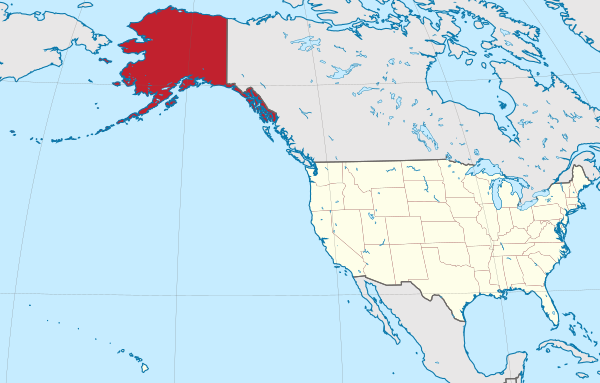
As of 2024, Alaska has a population of approximately 733,000, with approximately 97,800 residents aged 65 and older, making up about 13.3% of the state’s population. While Alaska has one of the smallest total populations among U.S. states, its senior population is growing steadily , particularly in Anchorage and other urban centers.
Alaska has the #3 highest per-capita victim rate in the nation. In 2025, losses reached $16 million (+99%). Romance scams exploded 1,242% from $303K to $4.1 million. Investment scams surged 255% to $6 million. Two categories decreased: tech support fell 30% and government impersonation dropped 57%. Rural isolation and long travel distances make awareness and quick reporting vital.
The top three cities with significant senior populations and most scam reports are:
- Anchorage (approx. 287,000 people)
- Fairbanks (approx. 32,000 people)
- Juneau (approx. 32,000 people)
II. 2025 Victim Report: How Scammers Targeted Alaska Seniors
In 2025, Alaska had 666 victims aged 60+ who reported losses totaling $16,252,410 — up 43% in victims and 99% in losses compared to 2024 (466 victims / $8M).
Loss by Crime Type
| Crime Type | 2025 Loss | 2024 Loss | Change |
| Investment | $6,047,069 | $1,702,443 | +255% |
| Tech Support | $2,140,058 | $3,036,319 | -30% |
| Romance | $4,061,140 | $302,660 | +1,242% |
| Lottery/Sweepstakes | $391,849 | $424,249 | -8% |
| Extortion | $27,200 | $39,629 | -31% |
| Government Impersonation | $320,657 | $748,439 | -57% |
Elder Fraud Loss Trajectory — Alaska
5-Year Elder Fraud Trend — Alaska (2021—2025)
| Year | Victims (60+) | Total Loss | YoY Change | Nat’l Rank |
| 2021 | 468 | $4,232,381 | — | #43 |
| 2022 | 316 | $7,646,998 | +81% | #42 |
| 2023 | 297 | $8,732,051 | +14% | #44 |
| 2024 | 466 | $8,173,395 | -6% | #48 |
| 2025 | 666 | $16,252,410 | +99% | #45 |
| 5-Year Total | 2,213 | $45,037,235 | +284% (2021—2025) | — |
Source: FBI Internet Crime Complaint Center (IC3) Annual Reports, 2021—2025. Covers victims aged 60 and older. National rank is by total dollar loss among 52 states/territories. National totals: $1.7B (2021), $3.1B (2022), $3.4B (2023), $4.9B (2024), $7.7B (2025) — $20.8 billion stolen from American seniors over five years.
Top Crime Types Targeting Alaska Seniors (2025 vs. 5-Year)
| Crime Type | 2025 Victims | 2025 Loss | 5-Year Total | Growth (2021—25) |
| Investment | 44 | $6,047,069 | $12,351,716 | +335% |
| Romance | 63 | $4,061,140 | $8,662,794 | +153% |
| Tech Support | 55 | $2,140,058 | $9,947,746 | +368% |
| BEC | 14 | $606,280 | $5,011,138 | +181% |
| Lottery/Sweepstakes | 26 | $391,849 | $1,813,895 | +117% |
| Gov. Impersonation | 69 | $320,657 | $1,238,358 | +709% |
Top 6 crime types by 2025 losses. Growth calculated from 2021 to 2025. For national crime type trends, see our Crime Type Migration Analysis.
What the data reveals: Alaska’s elder fraud losses nearly doubled to $16 million in 2025 (+99%), with 666 seniors victimized (+43%). The standout: romance scams exploded 1,242% from $303K to $4.1 million — one of the most extreme single-category increases in the country. Investment scams surged 255% to $6 million. Two categories decreased: tech support fell 30% and government impersonation dropped 57%. Statewide, that comes to roughly one senior victim for every 1,111 Alaska residents.
National context: Alaska ranks #3 in per-capita victim rate (89.98 per 100,000) — behind only Arizona and Nevada. Despite ranking #45 in total losses, Alaska’s seniors face among the highest targeting rates in the nation. The 1,242% romance scam explosion suggests scammers are aggressively targeting isolated rural seniors through online platforms and social media. Alaska’s vast geography and limited connectivity compound the challenge.
For the full national picture, including how Alaska compares to every other state, visit our national hub page with interactive data and rankings.
II. Emergency and Official Contacts
Local Police Departments – Elder Fraud and Financial Crimes
1. Anchorage Police Department – Financial Crimes Unit
- Phone: (907) 786-8900 (non-emergency)
- Website: www.muni.org/Public_Safety/Pages/default.aspx
- Contact to report elder fraud, tech support scams, and suspicious financial activity.
2. Fairbanks Police Department – Investigations
- Phone: (907) 450-6500 (non-emergency)
- Website: www.fairbanksalaska.us/police
- Handles fraud reports and elder exploitation cases.
3. Juneau Police Department – Community Services
- Phone: (907) 586-0600 (non-emergency)
- Website: juneau.org/police
- For reports of identity theft, phone scams, or online fraud targeting seniors.
FBI and Federal Scam Reporting
FBI Anchorage Field Office
- Phone: (907) 276-4441
- Website: www.fbi.gov/contact-us/field-offices/anchorage
Internet Crime Complaint Center (IC3)
- Website: www.ic3.gov
- Use to report phishing, tech support scams, romance fraud, and online threats.
Alaska Attorney General – Consumer Protection and Elder Fraud
Alaska Department of Law – Consumer Protection Unit
- Consumer Hotline: (888) 576-2529
- Website: law.alaska.gov
- Investigates financial scams and elder-targeted fraud across the state.
Statewide Elder Services and Medicare Fraud Support
Alaska Adult Protective Services (APS)
- APS Hotline: (800) 478-9996 (24/7)
- Website: health.alaska.gov
- Investigates elder abuse, neglect, and financial exploitation.
Alaska Senior Medicare Patrol (SMP)
- Phone: (800) 478-6065
- Website: health.alaska.gov/en/senior-and-disabilities-services/senior-medicare-patrol
- Helps detect and report Medicare fraud, billing scams, and identity theft.
Alaska Commission on Aging
- Phone: (907) 465-3250
- Website: health.alaska.gov/en/senior-and-disabilities-services/alaska-commission-on-aging
- Provides statewide leadership on elder rights, protections, and education.
Alaska Long-Term Care Ombudsman
- Phone: (800) 730-6393
- Website: ltcombudsman.org
- Offers advocacy and protection services for older adults in care facilities.
Stay Vigilant. Share and Report Early.
- Alaskan seniors lose millions of dollars each year to avoidable scams.
- Take time to verify unexpected calls, emails, or offers, especially those requesting money, gift cards, or personal information.
- Visit our Education Center for red flags, safe response tips, and downloadable resources.
- When in doubt, slow down and ask for help. You’re not alone , protection starts with connection.
Recent Alaska scam news
Recent news coverage of scams affecting Alaska seniors, updated from our alerts desk. Each item links to the original outlet; victims and defendants are kept anonymous.
Opinion: Alaska needs to curb crypto-kiosk scams
Callers posing as officials push Alaska seniors to Bitcoin kiosks; older adults bore a third of $26M in losses.
Read at Anchorage Daily News →Sitka Elder Loses $40K in Fraud Scam
An Alaska woman mailed $40,000 in cash to a caller posing as a bank fraud investigator.
Read at KCAW →A physician explains why memory loss raises the risk of falling for a scam
A physician who also cared for her mother through Alzheimer's disease writes that memory loss and mild cognitive impairment are linked to a higher risk of falling for scams and financial exploitation. Part of the danger, she explains, is a condition called anosognosia, where a person with cognitive decline may not recognize that money is missing or that they were deceived. She recommends families start money conversations early, before decline sets in, treat scam awareness as a shared family responsibility rather than a private embarrassment, use phones that screen or block unknown callers, review accounts and credit reports together regularly, and consider a limited power of attorney while the person can still take part in that decision.
Read at Being Patient →Before the holidays, make a family plan to spot scams
With holiday calls and visits picking up, a fraud risk analyst is urging families to agree on a verification plan before a crisis call ever comes in, covering tactics like a caller claiming a grandchild has been arrested, a fake bank or government warning that an account is at risk, a tech support pop-up, or an online relationship that turns into a investment pitch. The core advice is to pause, verify, and talk: hang up, call the person or agency back using a number you already know, and loop in a trusted family member rather than acting alone. Suspicious contacts can be reported to the FTC at reportfraud.ftc.gov or the FBI's Internet Crime Complaint Center at ic3.gov. Agreeing on this plan now, before the holiday season's spike in calls and visits, gives families a calm playbook instead of a panicked decision.
Read at Philadelphia Today →Fake 'psychic' letters promising a windfall defrauded thousands of older Americans of millions
Federal prosecutors describe a mail fraud scheme that sent personalized letters made to look like they came from a psychic, telling recipients they were due a financial windfall that required a payment to 'unlock.' Thousands of people across the country, many of them elderly or otherwise vulnerable, sent checks that were deposited into accounts opened under the fake psychic names and then moved overseas, collecting more than 4 million dollars over several years. No real windfall, inheritance, or prize ever requires you to pay money up front to receive it. If a letter like this arrives, the safe move is to slow down, do not mail a check or payment, and talk it over with a family member or call the FTC at reportfraud.ftc.gov before responding.
Read at JNS →Medicare 'brace scam' case shows how to catch durable medical equipment fraud on your statement
A major federal case made news this week over a nationwide scheme that billed Medicare for back, knee, shoulder, and wrist braces that patients never needed. Fraud operators used offshore call centers and sham telemedicine visits to generate unnecessary prescriptions, then billed Medicare for the equipment. The scheme generated more than $365 million in fraudulent claims, with Medicare paying out roughly $199 million before it was caught. Beneficiaries can protect themselves by reviewing their Medicare Summary Notice for any brace or equipment charges they do not recognize, declining unsolicited calls offering a free brace, and contacting their local Senior Medicare Patrol program if something looks wrong.
Read at Medical Daily →IV. Learn More: Alaska Scam Prevention Guides
Explore Alaska-specific guides on the most common scams targeting seniors in your state:
- Tech Support Scams in Alaska — Learn to recognize fake pop-ups, phone calls, and remote access schemes.
- Investment Scams in Alaska — Protect your retirement savings from fraudulent advisors and crypto scams.
- Romance Scams in Alaska — Spot the warning signs of fake online relationships designed to steal money.
- Government Impersonation Scams in Alaska — Know what real government agencies will never ask you to do.
- How to Report Scams in Alaska — Step-by-step guide to reporting fraud and starting recovery.
For national-level data on each scam type, see our Investment, Tech Support, Romance, and Government Impersonation national guides.
See how Alaska compares. Curious where Alaska ranks in the national picture? Stolen Trust, our 2026 special study, ranks every state and territory using five years of FBI data and lays out one practical plan to fix elder fraud.